
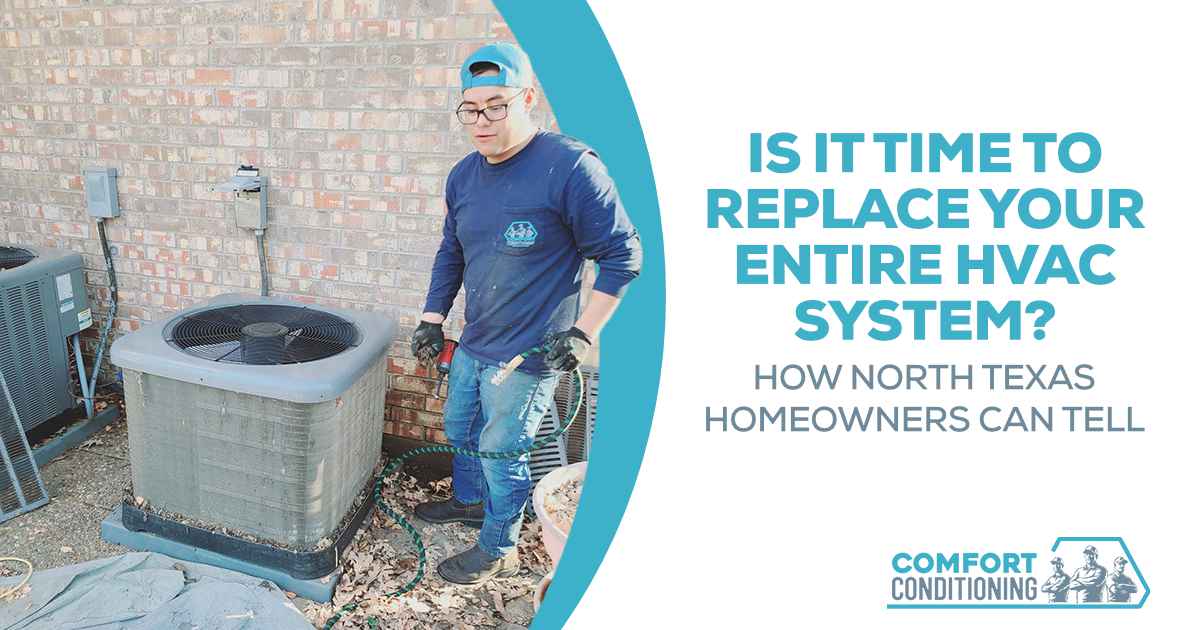
Late summer can be a practical time for homeowners to evaluate whether an aging HVAC system is still worth repairing. Months of demanding heating and cooling use can reveal recurring problems, rising operating costs, uneven comfort, and other signs that the system may be approaching the end of its useful service life. Reviewing the system’s age, repair history, efficiency, comfort performance, and future reliability can help homeowners determine whether full HVAC replacement deserves consideration.
When to Replace an HVAC System After a Demanding Summer
A demanding summer can provide valuable information about how well an HVAC system is performing. If the system has struggled to maintain comfortable temperatures, required repeated service calls, or become increasingly expensive to operate, those patterns may warrant a closer evaluation. Rather than waiting for another major breakdown, homeowners can use the end of summer to assess the condition of the entire heating and cooling system.
A Difficult Summer Can Reveal HVAC System Problems
Extended periods of HVAC operation can expose problems that may not be obvious during milder weather. Declining cooling performance, uneven temperatures, frequent cycling, and recurring mechanical issues can become more noticeable as the system works harder to maintain indoor comfort. Increasing operating costs and difficulty maintaining the thermostat setting may also indicate that the system deserves professional evaluation.
These symptoms do not automatically mean that the entire HVAC system needs to be replaced. Problems with airflow, individual components, controls, ductwork, or other parts of the home can contribute to poor performance. The goal is to determine whether the existing system is experiencing an isolated issue or showing a broader pattern of aging and declining reliability.
Why Late Summer Is a Practical Time to Plan HVAC Replacement
By the end of a demanding cooling season, homeowners may have a clearer picture of their system’s overall condition. They can consider how often the system required repairs, whether comfort problems persisted, and whether operating costs changed compared with previous years. Evaluating those factors before another major breakdown can give homeowners more time to consider their options rather than making a replacement decision under emergency conditions.
How Old Is the HVAC System?
System age is an important factor when deciding whether to replace an HVAC system, particularly when age is combined with other warning signs. An older system may still provide reliable service, but its condition and repair history become increasingly important as components experience normal wear. Homeowners should consider the age of the entire heating and cooling system rather than judging replacement needs solely by the age of the air conditioner.
Older HVAC Systems May Require More Frequent Repairs
As HVAC equipment ages, individual components can experience increasing wear and may require more frequent attention. One isolated repair does not necessarily indicate that replacement is necessary, but repeated breakdowns can provide a more meaningful picture of declining reliability. When repairs become increasingly common, homeowners may need to consider whether continuing to invest in an aging system remains a practical long-term choice.
There is no single age that automatically means an HVAC system should be replaced. The decision depends on the system’s condition, maintenance history, performance, efficiency, and expected future repair needs. Considering several factors together provides a more useful assessment than relying on an arbitrary age threshold.
Consider the Age of the Entire HVAC System
Whole-system replacement requires looking beyond the cooling equipment. Homeowners should also consider the age and condition of the heating equipment and how the major components work together as a complete heating and cooling system. If multiple components are aging at the same time, replacing the entire system may deserve consideration instead of continuing to address individual failures as they occur.
How Often Has the HVAC System Needed Repairs?
Repair history can reveal patterns that a single service call cannot. Multiple repairs over a relatively short period may indicate that an aging HVAC system is becoming less reliable, particularly when different components begin requiring attention. Reviewing past service records can help homeowners understand whether recent problems are isolated incidents or part of a broader pattern.
Repeated HVAC Repairs Can Signal Declining Reliability
Several warning patterns may indicate that an HVAC system deserves a closer replacement evaluation:
- Multiple service calls within a relatively short period
- Recurring failures involving different components
- Repairs that only temporarily resolve performance problems
- Increasing repair frequency as the system ages
- Several aging components requiring attention
The significance of these patterns depends on the condition of the system as a whole. A relatively minor repair on an otherwise reliable system may not justify replacement, while repeated significant repairs on an aging system can make replacement a more reasonable option. Looking at the cumulative pattern provides more useful information than focusing only on the cost of the most recent service call.
Compare Repair Needs With the Remaining Life of the System
Before approving another major repair, homeowners can consider how much useful service they may reasonably expect from the existing system. An aging system that has already experienced several component failures may have additional parts approaching the end of their service life. In that situation, the decision may involve comparing another repair with the longer-term investment involved in replacing the entire HVAC system.
Is the HVAC System Still Operating Efficiently?
Efficiency is another factor to consider when evaluating whether to replace an HVAC system. Older or poorly performing equipment may require more energy to maintain comfortable indoor temperatures, although higher utility costs can also result from changes in weather, household usage, insulation, or other factors. A noticeable change in energy consumption should therefore be considered alongside the system’s age, condition, and overall performance.
Rising Energy Costs Can Point to Declining HVAC Efficiency
An HVAC system that runs longer or works harder to maintain the desired temperature may not be operating as efficiently as it once did. Homeowners may notice increasing energy costs, longer operating cycles, or difficulty maintaining comfortable temperatures throughout the home. These signs can justify an evaluation, but they should not be treated as automatic proof that the entire system requires replacement.
Consider the Efficiency of a Replacement HVAC System
When comparing continued repairs with replacement, homeowners can also consider the expected operating performance of newer equipment. A newer HVAC system may provide improved efficiency compared with older equipment, but efficiency should be evaluated as part of the complete replacement decision rather than as the only reason to replace. Expected operating costs, system condition, comfort, reliability, and the overall investment should all be considered together.
Are There Ongoing Comfort Problems Throughout the Home?
Persistent comfort problems can indicate that an HVAC system is no longer meeting the home’s needs effectively. Rooms that remain too warm or too cool, difficulty maintaining the thermostat setting, reduced airflow, and inconsistent comfort can all warrant further investigation. Because several different issues can produce these symptoms, homeowners should seek to identify the underlying cause before assuming that complete replacement is necessary.
Uneven Heating and Cooling May Indicate a Larger System Problem
Comfort problems may appear in several forms throughout a home. Common examples include hot and cold rooms, reduced airflow, longer operating cycles, difficulty maintaining the thermostat setting, and inconsistent temperatures between different areas. When these problems continue despite repairs or normal maintenance, the overall condition and performance of the HVAC system may need to be evaluated.
Repeated Comfort Problems Deserve a Whole-System Evaluation
A recurring comfort problem does not automatically mean that an entire HVAC system has reached the end of its service life. Airflow restrictions, ductwork concerns, controls, insulation, and other factors can affect indoor comfort independently of the equipment itself. A whole-system evaluation can help determine whether the existing HVAC equipment remains a practical option or whether replacement makes more sense.
Should Homeowners Keep Repairing or Replace the HVAC System?
The decision to repair or replace an HVAC system should account for more than the cost of the next service call. Homeowners can compare the system’s age and repair history with its current efficiency, comfort performance, reliability, and expected future needs. Looking at the complete picture can make it easier to determine whether another repair is a reasonable short-term solution or whether full replacement deserves consideration.
Compare the Cost of Continued HVAC Repairs
Homeowners should consider the pattern and cumulative cost of repairs rather than evaluating each repair independently. A series of increasingly expensive repairs can add up over time, particularly when the system is already aging, and additional components may require attention. The potential for future repair costs is therefore an important part of deciding whether continued repairs remain practical.
Consider the Cost of a New HVAC System as a Long-Term Investment
Replacing an entire HVAC system generally requires a larger upfront investment than repairing one component. However, a new system may provide greater reliability and potentially improved operating efficiency compared with continuing to invest in aging equipment. Homeowners should evaluate the expected benefits and costs for their specific system rather than relying on guaranteed savings, lifespan estimates, or payback periods.
Look at the Bigger Picture Before Making the Decision
Several factors can help homeowners evaluate the condition and future value of their existing HVAC system:
- System age and condition
- Repair history and frequency
- Current operating efficiency
- Persistent comfort problems
- Potential future repair needs
- Cost of continued repairs
- Investment required for replacement
- Expected long-term reliability
No single factor automatically determines whether replacement is the right decision. When several of these concerns occur together, however, a professional evaluation can help homeowners understand whether continued repairs or full HVAC replacement is the more appropriate path.
What to Consider When Planning an HVAC System Replacement
Planning replacement before a complete system failure can give homeowners more time to evaluate their options. Rather than deciding after an unexpected breakdown, homeowners can review the condition of the existing equipment and discuss potential replacement options while the system is still operating. This approach can make the transition more deliberate and allow the homeowner to focus on the needs of the entire heating and cooling system.
Evaluate the Entire Heating and Cooling System
A full HVAC replacement should account for both heating and cooling needs rather than focusing exclusively on the air conditioner. The condition and compatibility of the system’s major components can affect how well the complete system performs. Evaluating the entire system helps homeowners make a replacement decision based on overall performance rather than a single failing component.
Discuss System Options With an HVAC Professional
A professional evaluation can help determine whether replacement is appropriate and what type of system configuration may be suitable for the home. An HVAC professional can consider the condition of the existing equipment, recurring problems, comfort concerns, and other factors that may influence the replacement decision. This evaluation can provide homeowners with information needed to compare replacement with continued repairs.
Plan HVAC Replacement Before the Next Major Breakdown
Homeowners who are already seeing multiple warning signs may benefit from evaluating their options before the next major failure occurs. Planning can reduce the pressure associated with an unexpected breakdown and provide more time to consider the long-term needs of the home. Late summer can therefore be a practical point to review replacement needs after a demanding cooling season.
When Replacing the Entire HVAC System Makes More Sense Than Another Repair
Full HVAC replacement may warrant consideration when several warning signs occur together rather than when one isolated problem appears. An aging system with increasing repair frequency, declining efficiency, persistent comfort problems, significant repair costs, and concerns about future reliability may be approaching a point where another repair is less attractive. The decision should still be based on the overall system’s condition and performance rather than on a single symptom.
Homeowners do not need to wait for a complete system failure before considering replacement. Evaluating the system while it is still operating can provide an opportunity to compare continued repairs with the longer-term investment of a new heating and cooling system. A professional assessment can help clarify whether replacement is appropriate and what options may best address the home’s heating and cooling needs.
Schedule an HVAC Replacement Consultation With Comfort Conditioning
Homeowners concerned about an aging, inefficient, or repeatedly repaired HVAC system can consider a professional evaluation before the next major breakdown. Comfort Conditioning can help homeowners explore their options and determine whether full system replacement is appropriate for their home’s heating and cooling needs. Learn more about HVAC replacement services and schedule a replacement consultation when the time is right.