
HVAC Replacement
Complete System Installation When Your Equipment Reaches End of Life
HVAC Replacement involves the complete removal and installation of heating, ventilation, and air conditioning systems when existing equipment fails beyond repair or reaches the end of its operational lifespan. Licensed HVAC technicians at Comfort Conditioning LLC evaluate system performance, energy efficiency ratings, and repair frequency to determine when replacement becomes the most cost effective solution. This comprehensive service includes proper equipment sizing calculations, removal of old components, installation of new systems, refrigerant line connections, electrical wiring, ductwork modifications, and system commissioning. HVAC replacement differs from standard installation because it requires careful assessment of existing infrastructure, potential upgrade requirements, and compatibility with current electrical and structural systems. The process involves multiple phases including system evaluation, equipment selection, removal of failed components, installation of new equipment, testing, and performance verification. Professional replacement ensures proper system sizing, energy efficiency compliance, manufacturer warranty protection, and code adherence while minimizing disruption to daily operations.
Contact Us
When to Consider HVAC Replacement
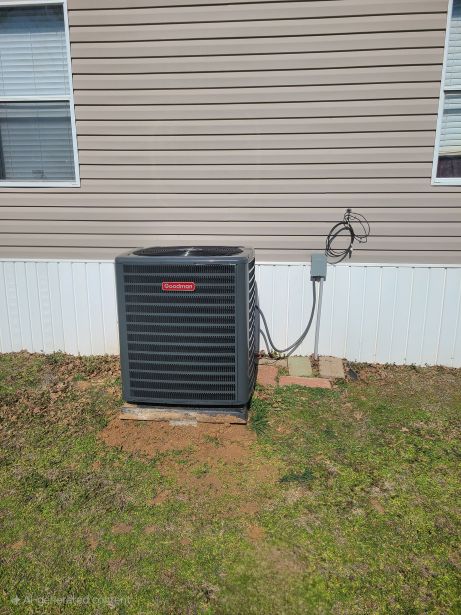
HVAC Replacement becomes necessary when existing heating and cooling systems experience frequent breakdowns, demonstrate declining energy efficiency, or reach manufacturer-recommended replacement intervals typically between 15-20 years for most residential systems. Major system failures including compressor failure, heat exchanger cracks, or complete electrical system breakdown often trigger replacement decisions when repair costs exceed 50% of replacement value. Rising energy bills despite regular maintenance indicate declining system efficiency and signal the need for replacement with modern, energy-efficient equipment. Outdated refrigerant systems using R-22 refrigerant require replacement as this refrigerant phases out and becomes increasingly expensive. Safety concerns such as carbon monoxide leaks from cracked heat exchangers, electrical hazards from aging components, or inadequate heating and cooling capacity for current building requirements necessitate immediate replacement.
Home renovations, additions, or significant changes in occupancy patterns may require system replacement to accommodate increased heating and cooling demands. Equipment that requires multiple service calls per year, produces unusual noises, fails to maintain consistent temperatures, or shows visible signs of deterioration including rust, corrosion, or physical damage needs replacement evaluation. Insurance claims following storm damage, flooding, or fire damage often result in complete system replacement rather than attempted repairs. Commercial properties face replacement needs when tenant requirements change, building codes update, or when energy efficiency standards require modern equipment to maintain operational permits and insurance coverage. Building code compliance triggers replacement requirements when municipalities update safety standards, particularly for older systems lacking proper ventilation, carbon monoxide detection integration, or electrical grounding that meets current National Electrical Code standards. The International Mechanical Code requires specific clearances, ventilation rates, and safety shutoffs that older systems may not accommodate without complete replacement. Energy efficiency mandates increasingly require SEER ratings of 14 or higher in southern climates and 13 minimum in northern regions, forcing replacement of systems installed before these standards took effect. Refrigerant transition deadlines create urgent replacement scenarios as R-22 production ceased in 2020, making repair costs prohibitive with refrigerant prices reaching $150-300 per pound compared to $20-30 for modern R-410A systems. Heat pump systems in cold climates require replacement when backup heating elements fail repeatedly, indicating inadequate sizing or worn components that compromise heating capacity below 32°F outdoor temperatures. Ductwork replacement often coincides with HVAC replacement when original galvanized steel ducts show rust perforation, asbestos-containing materials require abatement, or flexible duct systems exceed 15-year replacement intervals specified by NADCA guidelines. Indoor air quality concerns necessitate replacement when existing systems lack proper filtration capabilities for MERV 8 minimum ratings, cannot accommodate UV sterilization equipment, or fail to maintain positive building pressure required for contamination control. Timing considerations become critical during peak seasons when equipment failures occur during summer heat waves or winter freezes, potentially requiring emergency replacement with limited equipment availability and higher labor costs. Delayed replacement risks include complete system failure during extreme weather, water damage from condensate overflow or frozen coils, and electrical fires from overloaded circuits attempting to compensate for failing components. Commercial replacement scenarios include tenant improvement projects requiring updated HVAC zones, building ownership changes demanding modern equipment for insurance compliance, and property management decisions to avoid emergency failures that could result in tenant lawsuits or business interruption claims. Manufacturing facilities face replacement requirements when process changes demand specific temperature and humidity controls, clean room standards require specialized air handling equipment, or when existing systems cannot maintain FDA, OSHA, or industry-specific environmental standards. Hospital and healthcare facilities require replacement when patient safety standards change, infection control protocols demand upgraded air filtration, or when backup system redundancy requirements exceed existing equipment capabilities. Educational institutions trigger replacement needs during summer renovation periods when classroom additions, laboratory upgrades, or accessibility improvements require expanded HVAC capacity and modern control systems integrated with building automation networks.
Services Available
AC Replacement
AC replacement involves complete removal of failed air conditioning systems and installation of new cooling equipment with proper refrigerant charging, electrical connections, and system commissioning. This replacement service includes equipment sizing calculations based on current cooling loads, removal of old condensing units and air handlers, installation of new components with updated efficiency ratings, and comprehensive testing to ensure optimal performance and warranty compliance.
Furnace Replacement
Furnace replacement requires removal of existing heating equipment and installation of new furnace systems with proper venting, gas line connections, and safety controls. The replacement process involves careful evaluation of existing ductwork compatibility, electrical requirements, and venting systems to ensure new furnace equipment operates safely and efficiently while meeting current building codes and manufacturer specifications for optimal heating performance.
Heat Pump Replacement
Heat pump replacement combines both heating and cooling system renewal with installation of new heat pump equipment designed for year-round climate control. This replacement service addresses both indoor and outdoor unit replacement, refrigerant line installation, electrical upgrades for variable-speed components, and system balancing to achieve optimal heating and cooling efficiency throughout all seasons while maintaining proper defrost operation.
Central Air Replacement
Central air replacement involves complete cooling system overhaul including new air handler installation, ductwork evaluation, and outdoor unit replacement with modern refrigerant systems. The replacement process includes proper equipment sizing for current building loads, installation of new air distribution components, refrigerant line replacement or modification, and comprehensive system testing to ensure proper airflow, temperature control, and energy efficiency compliance.
Why This Matters
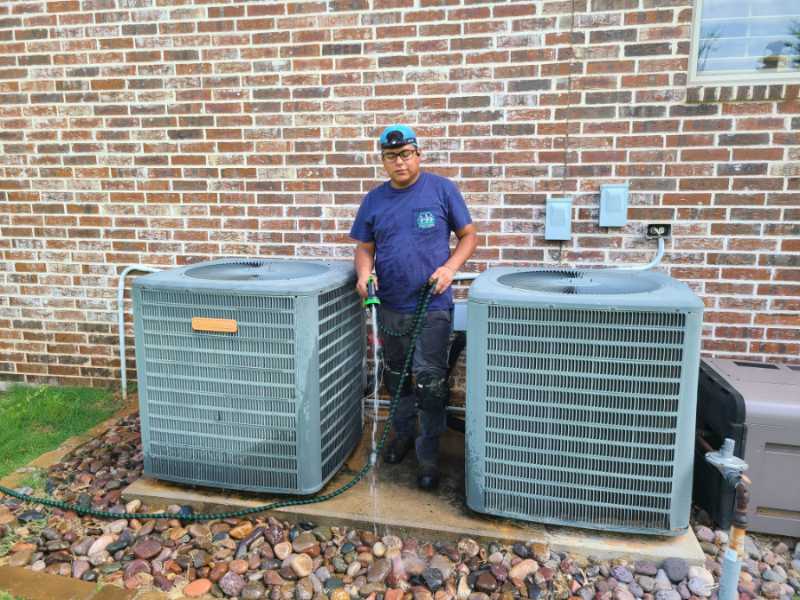
HVAC Replacement matters because aging systems pose significant safety risks, operational inefficiencies, and escalating repair costs that impact both comfort and financial stability. Failed heating systems during winter months create dangerous living conditions, potential pipe freezing, and emergency situations requiring immediate professional intervention. Outdated cooling systems during summer heat waves can cause health risks for vulnerable populations including elderly residents, young children, and individuals with respiratory conditions who depend on consistent climate control. Energy efficiency degradation in aging equipment results in substantially higher utility bills, with some older systems consuming 40-60% more energy than modern replacements, making replacement a financially beneficial investment over continued operation. Safety code compliance requires replacement when systems fail to meet current standards for carbon monoxide detection, electrical safety, refrigerant handling, and ventilation requirements that protect occupant health and property value.
Insurance coverage may require system replacement following major failures, as continued operation of unsafe or non-compliant equipment can void coverage and create liability issues for property owners. Professional replacement ensures proper equipment sizing through Manual J load calculations, preventing undersized systems that struggle to maintain comfort or oversized systems that waste energy through short cycling and inadequate dehumidification. Manufacturer warranties on replacement equipment provide protection against defects and premature failures, while professional installation ensures warranty validity and access to technical support. Modern replacement systems offer advanced features including variable-speed operation, smart thermostat compatibility, improved air filtration, and zoning capabilities that enhance comfort control and energy management. Replacement timing affects cost and availability, with emergency replacements typically costing 20-30% more than planned replacements due to limited equipment selection, expedited installation requirements, and potential temporary heating or cooling solutions needed during equipment procurement and installation phases. Building codes such as the International Mechanical Code require specific ventilation rates, combustion air requirements, and clearances that older systems frequently violate, particularly systems installed before 2010 when efficiency standards were lower. Heat exchanger cracks in gas furnaces create immediate carbon monoxide hazards that can prove fatal, while refrigerant leaks in older systems using R-22 freon pose environmental concerns and expensive repair costs due to phase-out regulations. Professional replacement projects require multiple permits including mechanical, electrical, and sometimes plumbing permits, with inspections at rough-in, final, and sometimes intermediate stages depending on local jurisdictions. Ductwork modifications during replacement often reveal code violations in existing installations, including undersized return ducts, improper sealing, and inadequate insulation that must be corrected to meet current standards. Equipment specifications must match regional climate zones defined by ASHRAE standards, with improper equipment selection leading to premature failure in extreme weather conditions. Quality installation requires EPA-certified technicians for refrigerant handling, licensed electricians for electrical connections, and proper gas line sizing and leak testing performed by certified gas fitters. Common installation mistakes include improper refrigerant charging, inadequate electrical connections, incorrect condensate drain installation, and failure to perform commissioning procedures that verify system operation according to manufacturer specifications. System commissioning involves verifying airflow rates, temperature rise across heat exchangers, refrigerant pressures and subcooling, electrical current draw, and thermostat calibration to ensure optimal performance. Replacement projects in commercial buildings require coordination with fire suppression systems, building automation systems, and emergency power systems to maintain code compliance and operational continuity. Seasonal demand significantly impacts equipment availability and labor costs, with peak replacement periods in late spring and early fall creating supply chain constraints and extended installation timelines. Emergency replacement scenarios often require temporary HVAC solutions such as portable units or space heaters that consume excessive energy and provide inadequate comfort while permanent equipment is procured and installed. Financing considerations make replacement timing critical, as emergency failures eliminate opportunity for competitive bidding, equipment rebates, and favorable financing terms available during planned replacement projects. Post-installation responsibilities include filter replacement schedules, annual maintenance requirements, and system monitoring to maintain warranty coverage and ensure optimal performance throughout the equipment's expected 15-20 year service life.