
HVAC Repair
Professional HVAC System Diagnostics and Repairs
When your heating, ventilation, or air conditioning system malfunctions, professional HVAC repair restores comfort and efficiency to your property. Licensed HVAC technicians diagnose equipment failures, replace faulty components, and restore proper system operation using specialized tools and industry knowledge. HVAC repair addresses mechanical breakdowns in air conditioners, furnaces, heat pumps, ductwork, and related components that prevent systems from heating or cooling effectively. Professional repair services identify root causes rather than temporary fixes, ensuring long term reliability. Technicians evaluate refrigerant levels, electrical connections, airflow patterns, and control systems to determine optimal repair approaches. Quality HVAC repair extends equipment lifespan, improves energy efficiency, and prevents minor issues from escalating into costly system replacements.
Contact Us
When to Consider HVAC Repair
HVAC repair becomes necessary when heating or cooling systems fail to maintain desired temperatures, produce unusual noises, emit strange odors, or consume excessive energy. Common repair scenarios include air conditioners that blow warm air due to refrigerant leaks, compressor failures, or frozen evaporator coils. Furnaces requiring repair often exhibit symptoms like inconsistent heating, frequent cycling, pilot light problems, or complete shutdown during cold weather. Heat pump repair addresses issues such as stuck reversing valves, defective defrost controls, or refrigerant system leaks that prevent proper heating and cooling transitions. Ductwork repair becomes critical when torn or disconnected sections cause uneven temperatures throughout the building. Thermostat malfunctions trigger repair needs when temperature readings become inaccurate or system cycling becomes erratic. Emergency repair situations develop when electrical components fail, creating safety hazards or complete system shutdowns. Commercial properties often require immediate repair when HVAC failures disrupt business operations or compromise indoor air quality standards. Seasonal equipment failures demand prompt repair to prevent property damage from frozen pipes during winter or excessive humidity during summer. Strange sounds like grinding, squealing, or banging indicate mechanical component failures requiring professional diagnosis and repair. High utility bills without increased usage patterns signal inefficient operation that repair services can address through component replacement or system adjustments.
Refrigerant system failures in commercial installations require immediate attention when pressures drop below EPA-mandated levels, particularly in systems containing R-410A or R-22 refrigerants. Technicians must possess EPA Section 608 certification to handle refrigerant repairs, and leak detection using electronic sensors or nitrogen pressure testing becomes mandatory when refrigerant loss exceeds 10 pounds annually per EPA regulations. Compressor failures in rooftop units serving retail establishments demand 24-hour emergency response to prevent merchandise damage from temperature fluctuations, with replacement costs ranging from $2,500 to $8,000 depending on tonnage capacity.
Electrical component failures present significant safety risks requiring immediate shutdown procedures according to NFPA 70 National Electrical Code standards. Contactor failures cause system cycling issues and potential motor damage, while capacitor failures in single-phase equipment create starting problems that strain electrical circuits. Control transformer failures interrupt low-voltage control circuits, preventing proper system operation and potentially causing cascading equipment damage when safety interlocks fail. Licensed electricians must perform electrical repairs involving circuits above 24 volts, with proper lockout-tagout procedures mandated by OSHA 29 CFR 1910.147.
Heat exchanger cracks in gas furnaces create immediate safety hazards requiring system shutdown and carbon monoxide testing per ANSI Z223.1 fuel gas codes. Visual inspection through boroscope equipment reveals stress fractures that compromise combustion chamber integrity, while electronic gas leak detectors identify dangerous conditions exceeding 10 parts per million threshold levels. Delayed repairs risk carbon monoxide exposure and potential fatalities, making immediate replacement mandatory when cracks exceed manufacturer specifications.
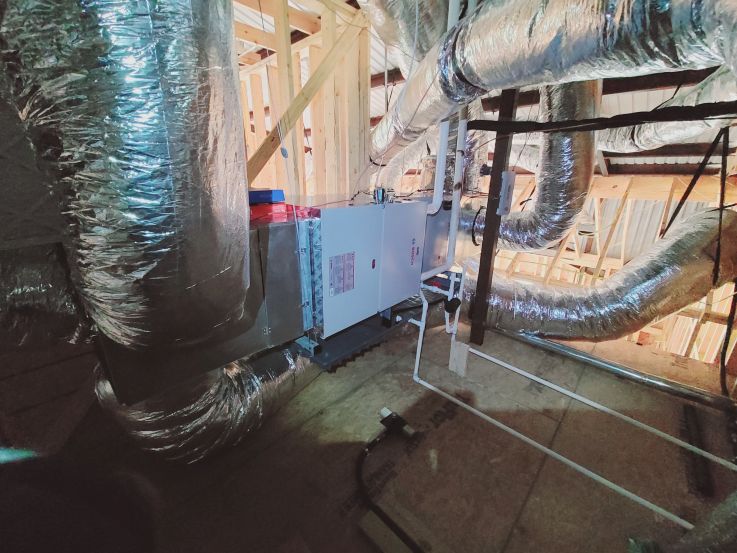
Ductwork repairs become critical when static pressure measurements exceed design parameters by 20 percent or more, indicating significant air leakage reducing system efficiency. Blower door testing quantifies leakage rates, while thermal imaging cameras locate specific breach points in concealed ductwork sections. Mastic sealant applications and mechanical fastening repairs must comply with SMACNA (Sheet Metal and Air Conditioning Contractors National Association) standards for proper execution.
Control system malfunctions in building automation systems require diagnostic equipment including digital multimeters, oscilloscopes, and protocol analyzers to identify communication failures between components. BACnet or LonWorks protocol errors disrupt system integration, while sensor calibration drift causes improper temperature control and energy waste. Pneumatic control system repairs demand specialized tools including pressure gauges and tube benders, with compressed air quality meeting instrument-grade specifications.
Timing considerations become critical during extreme weather events when repair delays compound equipment damage and occupant discomfort. Summer cooling failures during heat waves require emergency refrigerant handling equipment and expedited parts procurement to prevent system abandonment. Winter heating failures demand immediate attention to prevent pipe freezing and subsequent water damage, with temporary heating equipment rental costs reaching $200-500 daily for commercial spaces.
Common repair mistakes include improper refrigerant charging without manifold gauge verification, inadequate brazing techniques creating future leak points, and electrical connection failures from improper torque specifications. Quality execution requires following manufacturer service bulletins, using OEM replacement parts, and completing commissioning procedures including airflow verification and control sequence testing to ensure proper system operation and warranty compliance.
Services Available
AC Repair
AC repair addresses cooling system failures including refrigerant leaks, compressor malfunctions, and electrical component breakdowns. Repair technicians diagnose cooling issues, replace damaged parts, and restore proper refrigeration cycles. Emergency AC repair provides same-day service during extreme weather when cooling failures create uncomfortable or unsafe conditions.
Furnace Repair
Furnace repair restores heating functionality when gas or electric furnaces fail to produce adequate warmth. Technicians repair ignition systems, heat exchangers, blower motors, and safety controls to ensure reliable winter heating. Emergency furnace repair prevents frozen pipes and maintains safe indoor temperatures during cold weather emergencies.
Heat Pump Repair
Heat pump repair addresses dual-function systems that provide both heating and cooling through refrigeration cycles. Repair work includes fixing reversing valves, defrost controls, and refrigerant system components. Emergency heat pump repair ensures continuous comfort when these efficient systems experience mechanical failures during peak demand periods.
Duct Repair
Duct repair fixes damaged air distribution systems that cause uneven temperatures and energy waste. Technicians seal leaks, reconnect separated sections, and replace damaged ductwork to restore proper airflow. Emergency duct repair addresses severe disconnections or obstructions that completely disrupt HVAC system performance throughout the building.
Why This Matters
Professional HVAC repair matters because mechanical systems contain pressurized refrigerants, electrical components, and combustible fuels requiring specialized knowledge to service safely. Licensed HVAC technicians understand refrigeration cycles, electrical circuits, and combustion processes necessary for accurate diagnosis and proper repair execution. Attempting DIY repairs on HVAC equipment violates manufacturer warranties and local building codes while creating safety risks from refrigerant exposure, electrical shock, or gas leaks. Quality repair work extends equipment lifespan by addressing root causes rather than symptoms, preventing premature system replacement costs. Prompt professional repair prevents minor issues from escalating into major failures that require emergency service at premium rates. Energy efficiency suffers when damaged HVAC components operate ineffectively, causing utility bills to increase significantly until proper repairs restore optimal performance. Indoor air quality deteriorates when damaged ductwork allows contaminants to enter the air stream or when filtration systems fail due to mechanical problems. Commercial properties face liability issues when HVAC failures compromise employee comfort or customer experiences during business operations. Emergency repair availability ensures HVAC problems receive immediate attention during extreme weather when system failures create uncomfortable or dangerous conditions. Professional repair documentation provides maintenance records necessary for warranty claims and insurance coverage verification. Code compliance requirements mandate licensed technician involvement for refrigerant handling, electrical work, and gas line connections during HVAC repair procedures.
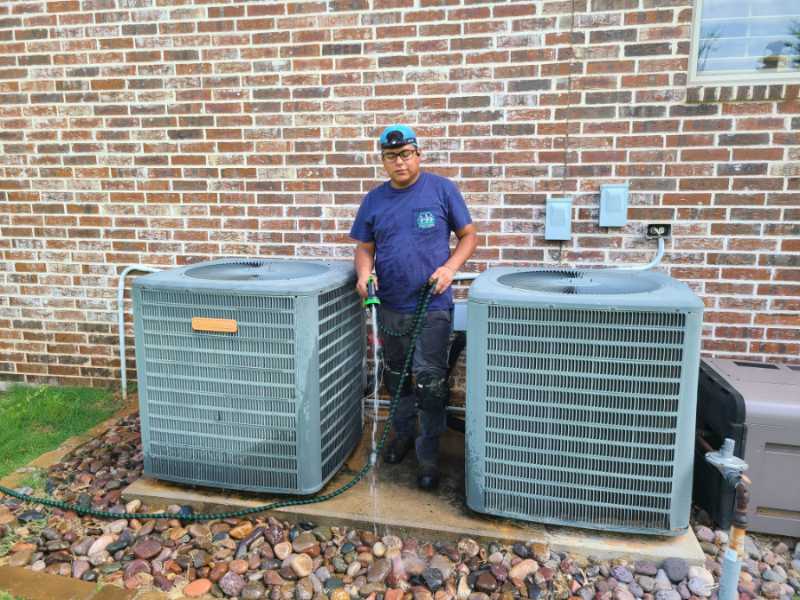
Refrigerant handling specifically requires EPA Section 608 certification, as improper recovery or release of refrigerants like R-410A or R-22 violates federal environmental regulations and carries fines up to $44,539 per violation. When condensing units lose refrigerant charge, homeowners often add refrigerant without addressing underlying leaks, creating overcharged systems that damage compressors costing $2,000 to $4,000 to replace. Electrical components operating at 240 volts and 30-50 amperes pose electrocution risks when accessed by unqualified individuals, particularly when moisture from leaking evaporator coils creates conductive pathways around control panels and motor housings.
Timing becomes critical during peak seasons when HVAC systems experience highest demand and failure rates. Air conditioning repairs delayed during summer months often result in compressor failures when units operate continuously in overheated conditions, transforming $300 capacitor replacements into $3,500 system overhauls. Furnace repairs postponed until winter heating season frequently escalate when cracked heat exchangers develop dangerous carbon monoxide leaks, requiring immediate system shutdown and emergency replacement costs exceeding $5,000.
Improper repair techniques create cascading failures throughout interconnected HVAC components. Oversized replacement parts strain electrical circuits and ductwork, while undersized components reduce system capacity and increase runtime. Incorrect refrigerant evacuation procedures introduce moisture and contaminants that cause acid formation, corroding copper tubing and destroying compressor internals. Inadequate brazing techniques on refrigerant lines create micro-leaks that slowly reduce system efficiency before requiring complete repiping.
Quality execution standards require specific torque specifications for electrical connections, proper evacuation times for refrigerant systems, and precise combustion air calculations for gas furnaces. Professional technicians use manifold gauges, digital multimeters, combustible gas detectors, and micron vacuum pumps to ensure repairs meet manufacturer specifications. Common mistakes include failing to check refrigerant superheat and subcooling values, neglecting to verify proper airflow across evaporator coils, and overlooking secondary safety controls on gas-fired equipment.
Ductwork repairs demand knowledge of Manual D sizing calculations and proper sealing materials rated for HVAC applications. Residential duct leakage exceeding 10% of system capacity wastes 20-30% of conditioned air, while commercial buildings with damaged ductwork fail ASHRAE Standard 62.1 ventilation requirements. Metal ductwork repairs require sheet metal fabrication skills and appropriate sealants, while flexible duct replacement involves proper support spacing and vapor barrier installation.
Gas line connections must comply with National Fuel Gas Code NFPA 54, requiring pressure testing at 150% of operating pressure and leak detection using approved solutions. Natural gas leaks near HVAC equipment create explosion risks, while carbon monoxide production from incomplete combustion causes poisoning when heat exchangers crack or venting systems become obstructed. Professional combustion analysis using electronic analyzers ensures proper fuel-to-air ratios and confirms safe operation before system startup.
Insurance companies increasingly require professional repair documentation for claims involving HVAC-related property damage, including water damage from frozen evaporator coils or fire damage from electrical failures. Warranty coverage typically voids when non-certified individuals perform repairs using non-OEM parts or improper procedures, leaving property owners responsible for full replacement costs on equipment potentially worth $15,000 or more for commercial installations.