
HVAC Maintenance
Preventive HVAC Care for Optimal System Performance
Contact Us
HVAC Maintenance services focus on preventive care that keeps heating and cooling systems operating efficiently throughout their service life. Licensed HVAC technicians perform scheduled maintenance on air conditioning units, furnaces, heat pumps, and ductwork to prevent costly breakdowns and ensure optimal energy efficiency. Regular HVAC Maintenance service includes comprehensive system inspections, filter replacements, coil cleaning, refrigerant level checks, electrical connection tightening, and performance testing. Homeowners and business owners who invest in HVAC Maintenance programs typically experience fewer emergency repairs, lower utility bills, and extended equipment lifespan. Professional HVAC technicians use specialized diagnostic tools to identify potential issues before they become major problems, performing calibration adjustments and component replacements as needed. HVAC maintenance service schedules typically include bi annual visits for combined heating and cooling systems, with spring preparation for cooling season and fall preparation for heating season. This proactive approach to HVAC care ensures systems meet manufacturer warranty requirements while delivering consistent indoor comfort year round.
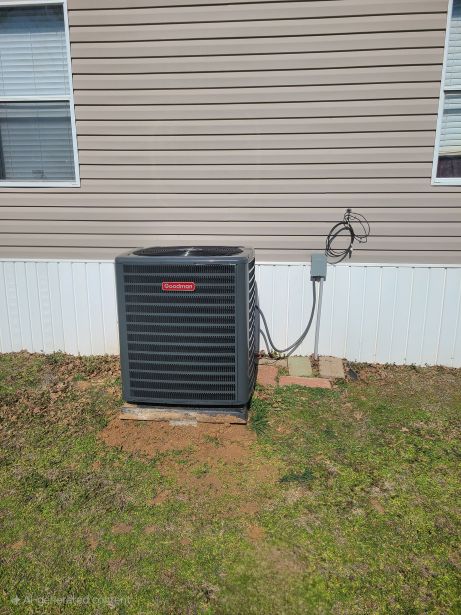
When to Consider HVAC Maintenance
HVAC Maintenance becomes essential when property owners want to protect their heating and cooling investment through preventive care rather than reactive repairs. New HVAC system installations require maintenance service within the first year to maintain manufacturer warranty coverage, as most equipment warranties specify regular professional maintenance as a coverage requirement. Seasonal transitions trigger HVAC maintenance needs, particularly before peak cooling season begins in spring and before heating season starts in fall, ensuring systems operate efficiently during periods of highest demand. Commercial properties often require quarterly HVAC maintenance service due to continuous system operation and higher usage demands compared to residential applications. Properties with older HVAC equipment benefit significantly from maintenance service, as aging systems require more frequent attention to prevent breakdowns and maintain efficiency levels. Indoor air quality concerns also trigger HVAC maintenance service needs, especially when occupants experience increased allergies, respiratory issues, or notice dust accumulation that suggests filter or ductwork problems. Energy efficiency audits frequently recommend HVAC maintenance programs when utility bills show unexplained increases or when systems struggle to maintain comfortable temperatures. Rental properties and commercial buildings often schedule HVAC maintenance service to meet insurance requirements and maintain habitability standards for tenants. HVAC maintenance service becomes particularly critical after extreme weather events, construction projects near HVAC equipment, or when systems show signs of reduced performance such as uneven heating or cooling, unusual noises, or frequent cycling.
Hospitality and healthcare facilities mandate HVAC maintenance protocols to comply with OSHA air quality standards and Joint Commission requirements, where failure to maintain proper ventilation can result in regulatory violations and fines ranging from $13,653 to $136,532 per violation. Manufacturing facilities with sensitive production processes schedule maintenance around operational schedules, typically during planned shutdowns or reduced capacity periods to avoid disrupting critical manufacturing timelines. Educational institutions implement HVAC maintenance programs before academic year start dates to ensure compliance with state ventilation requirements that mandate specific air changes per hour in classroom environments.
Food service establishments require HVAC maintenance attention when kitchen exhaust systems accumulate grease deposits exceeding NFPA 96 standards, which specify cleaning frequencies based on cooking volume - high-volume operations need quarterly service while moderate-volume facilities require semi-annual maintenance. Data centers trigger HVAC maintenance protocols when temperature fluctuations exceed manufacturer specifications for server equipment, typically maintaining 68-77°F with humidity levels between 45-55% relative humidity to prevent equipment failure.
Legal compliance drives HVAC maintenance scheduling in multi-family housing where local housing codes require annual inspections of heating systems, with violations resulting in habitability citations and potential tenant displacement. Retail spaces implement maintenance before peak shopping seasons to prevent system failures during high-traffic periods that could impact customer comfort and sales revenue.
Environmental monitoring systems trigger HVAC maintenance service when carbon monoxide levels approach 9 parts per million in residential settings or when particulate matter readings exceed EPA indoor air quality guidelines of 35 micrograms per cubic meter for PM2.5. Laboratory facilities schedule HVAC maintenance service based on fume hood performance testing requirements, ensuring minimum face velocities of 100 feet per minute to maintain worker safety protocols.
Insurance inspections often mandate HVAC maintenance documentation for commercial property coverage, where lack of preventive maintenance records can void claims for equipment failure or property damage. Property management companies schedule HVAC maintenance service to address tenant complaints about temperature inconsistencies, which can lead to lease violations and rental income loss if not resolved promptly.
Building automation systems trigger HVAC maintenance alerts when sensors detect refrigerant pressure abnormalities, electrical current variations exceeding 10% of normal operating parameters, or airflow measurements falling below design specifications. Emergency maintenance becomes necessary when carbon monoxide detectors activate, requiring immediate system shutdown and professional inspection before resuming operation to prevent potential fatalities.
Seasonal preparation protocols require HVAC maintenance service timing 4-6 weeks before peak demand periods to ensure adequate scheduling availability and parts procurement, as emergency repairs during peak seasons can cost 200-300% more than preventive maintenance. High-efficiency equipment with variable speed components requires specialized maintenance protocols using digital multimeters and refrigerant analyzers to ensure optimal performance parameters are maintained according to manufacturer specifications.
Services Available
AC Maintenance
Scheduled AC maintenance includes refrigerant level verification, condenser coil cleaning, evaporator inspection, filter replacement, and electrical connection checks. This maintenance approach prevents costly AC breakdowns during peak cooling season while ensuring optimal energy efficiency. Regular AC maintenance typically reduces energy consumption by 15-20% compared to neglected systems.
Furnace Maintenance
Furnace maintenance involves heat exchanger inspection, burner cleaning and adjustment, flue pipe examination, safety control testing, and air filter replacement. This preventive maintenance approach identifies potential carbon monoxide risks and ensures safe heating operation. Professional furnace maintenance typically includes combustion analysis to optimize fuel efficiency and reduce operating costs.
Heat Pump Maintenance
Heat pump maintenance requires specialized attention to both heating and cooling components, including refrigerant system checks, reversing valve operation, defrost cycle testing, and outdoor unit cleaning. This comprehensive maintenance approach addresses the dual-function nature of heat pump systems. Regular heat pump maintenance ensures efficient operation in both heating and cooling modes while preventing ice buildup issues.
Duct Sealing
Duct sealing maintenance identifies and repairs air leaks in ductwork that reduce system efficiency and indoor comfort. This maintenance service uses pressure testing and sealing compounds to eliminate energy waste through leaky ducts. Professional duct sealing maintenance can improve HVAC efficiency by 20-30% while reducing dust infiltration and improving indoor air quality.
Why This Matters
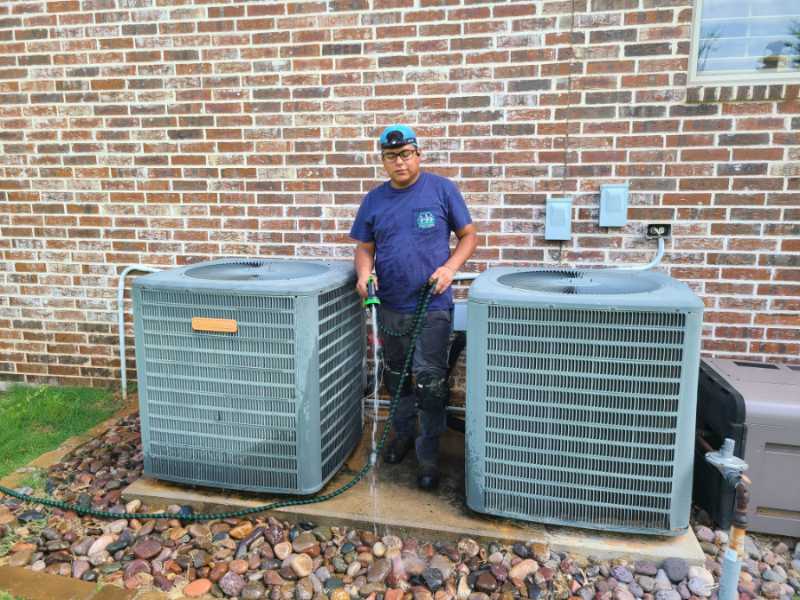
HVAC Maintenance service matters because it directly impacts system reliability, energy efficiency, and equipment lifespan in measurable ways. Licensed HVAC technicians performing regular maintenance can identify refrigerant leaks, worn components, and efficiency losses before they cause system failures, typically reducing emergency repair costs by 40-60% compared to reactive maintenance approaches. Energy efficiency represents a significant financial benefit, as properly maintained HVAC systems consume 15-25% less energy than neglected equipment, translating to hundreds of dollars in annual utility savings for most properties. Safety considerations make HVAC maintenance service particularly important for gas-fired equipment, where neglected maintenance can lead to carbon monoxide exposure, gas leaks, or combustion problems that endanger occupants. Manufacturer warranty protection requires documented professional maintenance, and failure to maintain service records can void warranty coverage worth thousands of dollars on premium HVAC equipment. Indoor air quality directly correlates with maintenance frequency, as dirty filters, contaminated coils, and neglected ductwork circulate allergens, dust, and potentially harmful particles throughout occupied spaces.
System lifespan extends significantly with regular maintenance, with properly maintained HVAC equipment typically lasting 15-20 years compared to 8-12 years for neglected systems. Code compliance issues can arise from neglected HVAC maintenance, particularly in commercial applications where building inspectors may cite inadequate ventilation or safety violations. Insurance claims may be denied if HVAC-related damage results from neglected maintenance, making regular service a financial protection strategy beyond just equipment care. Professional maintenance also includes performance optimization that maintains comfort consistency, prevents hot and cold spots, and ensures systems meet design specifications for temperature and humidity control throughout the building. Timing considerations become critical when facilities delay maintenance past manufacturer-recommended intervals, as compressor failures during peak cooling season can result in emergency service calls costing $3,000-$8,000 compared to preventive maintenance visits averaging $150-$300. Commercial buildings that postpone maintenance often face cascading failures where one compromised component stresses other system elements, leading to complete system replacements costing $15,000-$50,000 versus gradual component updates through regular service. The International Mechanical Code (IMC) Section 403.2 requires mechanical ventilation systems to maintain minimum outdoor air requirements, which cannot be verified without regular airflow measurements and filter maintenance performed by qualified technicians. NFPA 54 National Fuel Gas Code mandates annual inspections of gas-fired HVAC equipment, making professional maintenance legally required rather than optional for natural gas and propane systems. Improper handling during DIY maintenance attempts frequently results in refrigerant releases violating EPA Section 608 regulations, which carry fines up to $37,500 per violation for unlicensed refrigerant handling. Quality execution standards require technicians to follow manufacturer specifications for torque values, refrigerant charging procedures, and electrical connections, as improper techniques can void UL listings and create liability issues. Common mistakes include over-tightening electrical connections causing premature failure, incorrect refrigerant charging reducing capacity by 20-40%, and neglecting condensate drain cleaning that leads to water damage and mold growth. Equipment requirements for proper maintenance include refrigerant recovery machines, digital manifold gauges, combustion analyzers for gas equipment, and calibrated instruments that cost $15,000-$25,000 for professional-grade toolsets. Process details involve systematic inspection sequences starting with electrical components, progressing through mechanical elements, and concluding with performance verification using industry-standard testing protocols. Coil cleaning requires specialized detergents and pressure washing equipment to remove biofilm and mineral deposits that reduce heat transfer efficiency by up to 30% when left untreated. Filter replacement schedules vary from monthly for high-traffic commercial spaces to quarterly for residential applications, but failure to maintain proper schedules results in system damage requiring costly repairs. Ductwork inspection during maintenance visits identifies air leaks that waste 20-30% of conditioned air in typical buildings, representing thousands in annual energy losses. Electrical component inspection prevents failures that often occur during high-demand periods, as loose connections and worn contactors frequently fail when systems operate at maximum capacity. Refrigerant system maintenance includes leak detection using electronic sensors capable of detecting leaks as small as 0.1 ounces per year, preventing gradual efficiency losses and environmental violations.