
Commercial HVAC Repair
Comfort Conditioning LLC provides commercial HVAC repair for commercial properties and business facilities.
Contact Us
Our HVAC technicians perform commercial HVAC repair by conducting comprehensive system diagnostics, identifying component failures, and executing precise repairs to restore heating and cooling functionality. Each commercial HVAC repair follows industry safety standards and manufacturer specifications to ensure reliable operation and code compliance. Commercial HVAC systems require specialized knowledge due to their complex configurations, higher capacity requirements, and continuous operation demands. During commercial HVAC repair service, customers can expect thorough documentation of all findings and repairs performed, with detailed explanations of any recommended preventive measures. Proper commercial HVAC repair execution prevents costly emergency breakdowns and extends equipment lifespan while maintaining optimal energy efficiency for business operations.
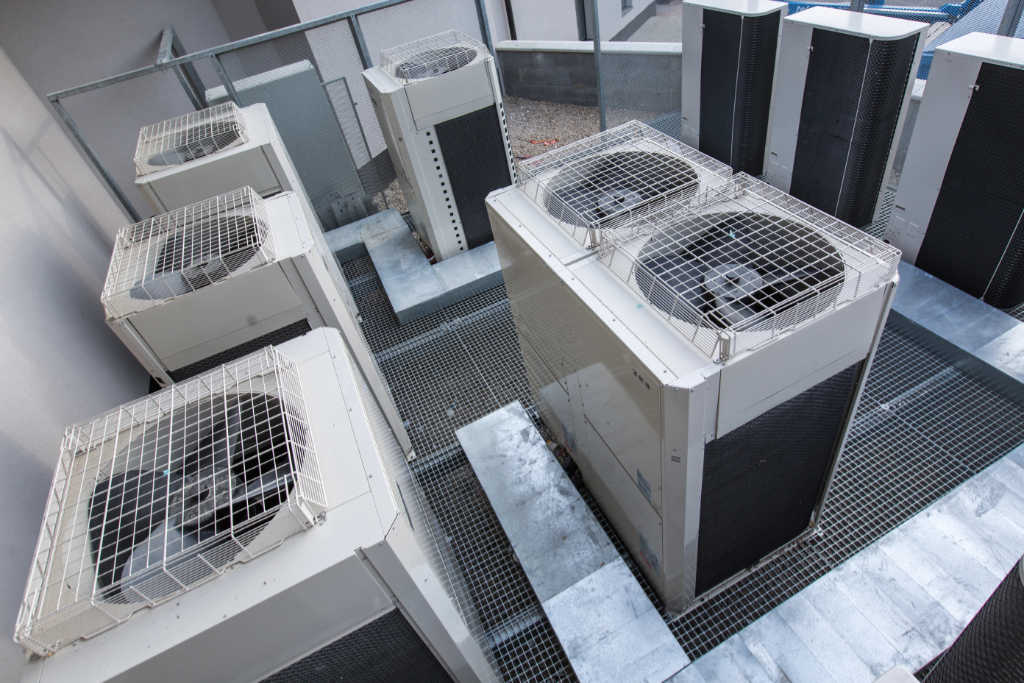
What Commercial HVAC Repair Includes
Commercial HVAC Repair Process
System Diagnostic Assessment
HVAC technicians perform comprehensive diagnostic testing using specialized commercial-grade meters and gauges to identify specific system malfunctions, measure refrigerant pressures, test electrical connections, and evaluate overall system performance to pinpoint the exact cause of equipment failure.
Component Inspection and Testing
Individual components including compressors, heat exchangers, motors, and control boards undergo detailed inspection and testing to determine repair feasibility, identify worn parts requiring replacement, and assess the overall condition of surrounding system components.
Commercial HVAC Repair Execution
Technicians perform the necessary repairs using commercial-grade replacement parts and specialized tools, following manufacturer specifications and safety protocols to restore proper system function while maintaining warranty compliance and ensuring long-term reliability of the repaired components.
System Testing and Verification
Complete system testing verifies that all repairs function correctly, system pressures are within specifications, electrical connections are secure, and the commercial HVAC system operates efficiently at full capacity before returning the equipment to service.
Understanding Commercial HVAC Repair
Commercial HVAC repair involves complex diagnostic procedures and specialized repair techniques designed for large-capacity heating and cooling systems found in office buildings, retail spaces, warehouses, and manufacturing facilities. Unlike residential systems, commercial HVAC repair requires extensive knowledge of multi-zone systems, variable refrigerant flow technology, and sophisticated control systems that manage climate conditions across diverse commercial spaces with varying occupancy and usage patterns.
Commercial HVAC Repair System Complexity
Commercial HVAC systems present unique repair challenges due to their sophisticated design and operational demands. These systems typically feature multiple zones with independent temperature controls, complex ductwork configurations, and high-capacity equipment operating continuously during business hours. Commercial HVAC repair technicians must understand variable air volume systems, economizers, heat recovery ventilators, and building automation systems that integrate HVAC controls with other facility management systems. The repair process often involves coordinating with facility managers to minimize business disruption while ensuring critical areas maintain proper climate control. Commercial systems also utilize specialized refrigerants and high-voltage electrical components that require certified technicians with commercial-grade equipment and safety training. Component access can be challenging due to rooftop installations, mechanical rooms with limited space, and equipment integrated into building structures. Repair documentation becomes crucial for commercial properties to maintain warranty coverage, satisfy insurance requirements, and comply with building codes that govern commercial HVAC operations.
Diagnostic Procedures in Commercial HVAC Repair
Effective commercial HVAC repair begins with systematic diagnostic procedures that identify root causes rather than symptoms. Technicians utilize digital manifold gauges, refrigerant analyzers, infrared thermometers, and electrical testing equipment specifically calibrated for commercial systems. The diagnostic process examines refrigerant pressures, superheat and subcooling measurements, electrical current draw, and airflow calculations across multiple zones. Commercial HVAC repair diagnostics must account for load variations throughout the day, seasonal usage patterns, and the interaction between different system components. Advanced diagnostic tools can interface with building automation systems to retrieve historical data, alarm logs, and performance trends that guide repair decisions. Technicians analyze compressor performance curves, evaluate heat exchanger efficiency, and test control sequences that manage staging of multiple units. The complexity of commercial systems requires diagnostics that consider system capacity matching, refrigerant distribution, and the impact of building envelope characteristics on HVAC performance. Proper diagnostic procedures prevent unnecessary component replacement and ensure commercial HVAC repair addresses underlying issues rather than temporary fixes.
Component Repair Techniques and Standards
Commercial HVAC repair encompasses specialized techniques for high-capacity components that differ significantly from residential equipment. Compressor repairs may involve hermetic welding, refrigerant recovery systems, and precision torque specifications for large tonnage units. Heat exchanger repair requires understanding of commercial-grade materials, pressure testing procedures, and thermal expansion considerations in larger systems. Electrical component repair involves working with high-voltage contactors, variable frequency drives, and complex control circuits that manage multiple stages of heating and cooling. Commercial HVAC repair standards mandate specific safety lockout procedures, refrigerant handling certifications, and adherence to commercial building codes that govern equipment installation and modification. Technicians must maintain detailed repair records that document parts used, labor performed, and system performance verification for commercial property management and regulatory compliance. Quality control in commercial HVAC repair includes post-repair performance testing, efficiency measurements, and verification that repaired systems meet original design specifications. The commercial environment demands repairs that provide long-term reliability, energy efficiency, and minimal maintenance requirements to support continuous business operations.
Emergency Commercial HVAC Repair Protocols
Emergency commercial HVAC repair situations require rapid response protocols that minimize business disruption while ensuring safe system operation. Critical commercial facilities such as data centers, medical facilities, and manufacturing plants cannot tolerate extended HVAC downtime, making emergency repair capabilities essential. Commercial HVAC repair teams maintain inventories of commonly needed components including contactors, capacitors, motors, and control boards specific to commercial equipment brands and models. Emergency procedures prioritize system safety, identifying potential refrigerant leaks, electrical hazards, and mechanical failures that could pose risks to building occupants. Temporary solutions during commercial HVAC repair may involve portable cooling units, modified system operation, or zone isolation to maintain critical areas while repairs proceed. Communication protocols ensure facility managers receive regular updates on repair progress, estimated completion times, and any additional issues discovered during emergency service. Emergency commercial HVAC repair often occurs outside normal business hours, requiring technicians trained in after-hours building access, security procedures, and coordination with property management or security personnel. The goal of emergency repair is restoring basic system functionality quickly, followed by comprehensive repairs that address underlying causes and prevent future emergencies.
Commercial HVAC Repair FAQs
What Does Commercial HVAC Repair Include?
Commercial HVAC repair includes compressor replacement, heat exchanger repair, electrical component repair, refrigerant leak repair, control system repair, and ventilation component repair. Our HVAC technicians diagnose system malfunctions, perform necessary repairs using commercial-grade parts, and test the entire system to ensure proper operation before returning equipment to service.
How Long Does Commercial HVAC Repair Take?
Commercial HVAC repair timeframes depend on the complexity of the problem and parts availability, typically ranging from same-day service for minor repairs to several days for major component replacement. Emergency commercial HVAC repair prioritizes restoring basic system function quickly, while comprehensive repairs ensure long-term reliability. Our technicians provide estimated completion times after initial diagnostics.
What Causes Most Commercial HVAC Repair Issues?
Most commercial HVAC repair needs stem from component wear due to continuous operation, inadequate maintenance, electrical failures, and refrigerant leaks. Commercial systems experience higher stress than residential units due to extended operating hours and larger capacity requirements. Regular maintenance significantly reduces the frequency of commercial HVAC repair by identifying potential issues before they cause system failures.
Can Commercial HVAC Repair Be Performed During Business Hours?
Many commercial HVAC repair procedures can be performed during business hours with minimal disruption, particularly when targeting specific zones or backup systems. Critical repairs may require temporary system shutdown, which our technicians schedule to minimize impact on business operations. Emergency commercial HVAC repair services are available 24 hours to address urgent system failures that cannot wait for scheduled maintenance windows.