
Residential HVAC
Professional Home Comfort Systems for Every Season
Contact Us
Residential HVAC systems form the backbone of home comfort, providing controlled heating, cooling, and air quality throughout the year. Comfort Conditioning LLC specializes in residential HVAC services that keep homes comfortable regardless of outdoor conditions. Our licensed HVAC technicians understand the unique requirements of residential properties, from single family homes to multi unit dwellings. Residential HVAC encompasses more than basic temperature control—it includes proper ventilation, humidity management, and indoor air quality optimization. Every residential HVAC system requires careful sizing, professional installation, and regular maintenance to operate efficiently. Whether your home needs ac repair, furnace installation, heat pump replacement, or duct sealing, residential HVAC work demands precision and expertise. Our residential HVAC approach focuses on energy efficiency, system longevity, and consistent comfort delivery. We work exclusively with residential customers who need reliable heating and cooling solutions designed specifically for home environments.
When to Consider Residential HVAC
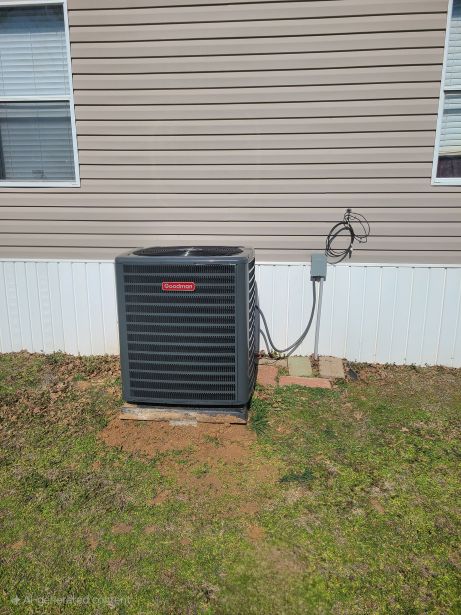
Residential HVAC services apply when homeowners need heating, cooling, or air quality systems designed specifically for residential properties. These situations include new home construction requiring complete HVAC system design and installation, existing homes with failing or outdated equipment, and properties where comfort issues indicate system problems. Residential HVAC becomes critical when family comfort and safety are at stake—when furnaces fail during winter months, air conditioning systems break down during summer heat waves, or indoor air quality issues affect family health. Homeowners typically need residential HVAC services when moving into properties with unknown system conditions, when utility bills spike unexpectedly indicating inefficient operation, or when rooms heat and cool unevenly suggesting ductwork problems. Emergency residential HVAC situations arise when systems completely fail, when strange noises or odors indicate potential safety hazards, or when thermostats stop responding to temperature adjustments.
Residential HVAC also applies during planned home improvements where existing systems cannot handle increased square footage or changed layouts. Many homeowners discover they need residential HVAC attention when seasonal transitions reveal system inadequacies—furnaces that cannot maintain consistent temperatures or air conditioners that struggle to cool entire homes. Property inspections often reveal residential HVAC deficiencies that require immediate attention before real estate transactions can proceed. Indoor air quality concerns also trigger residential HVAC needs, especially in homes with family members who have allergies, asthma, or other respiratory sensitivities requiring specialized filtration and humidity control systems. Code compliance issues frequently necessitate residential HVAC intervention, particularly when local building codes change or when additions violate IRC requirements for ventilation rates, which mandate 15 CFM per bedroom plus 3 CFM per 100 square feet of floor area for continuous ventilation. Gas furnace installations must comply with NFPA 54 National Fuel Gas Code standards, requiring proper clearances of at least 6 inches from combustible materials and adequate combustion air supply calculated at 50 cubic feet per 1,000 BTU input for outdoor air sources. Electrical components must meet NEC Article 424 requirements for fixed electric space heating equipment, including proper disconnect switches within sight of units and GFCI protection for equipment in damp locations. Timing considerations become crucial during peak seasons when HVAC contractors experience 300-400% increased demand, leading to 2-4 week delays for non-emergency services and premium pricing up to 25% higher than off-season rates. System failures during extreme weather events can result in frozen pipes causing $5,000-$15,000 in water damage within 24-48 hours, while prolonged heat exposure above 85°F can trigger heat-related health emergencies in vulnerable populations. Cost implications of delayed maintenance include compressor failures that escalate $300 refrigerant leak repairs into $2,500-$4,000 complete system replacements, while dirty air filters reduce system efficiency by 15-20% and decrease equipment lifespan by 5-7 years. Improper DIY handling risks include refrigerant exposure requiring EPA certification for legal handling, electrical shock hazards from 240V connections, and carbon monoxide poisoning from incorrect gas appliance installations that kill approximately 400 Americans annually. Quality execution standards require proper load calculations using Manual J protocols to determine exact BTU requirements, preventing oversized systems that short-cycle and undersized units that run continuously, both reducing efficiency by 20-30%. Ductwork installation must maintain air velocity between 600-900 feet per minute in supply ducts and use properly sized return air pathways calculating 400 CFM per ton of cooling capacity. Common installation mistakes include inadequate refrigerant charging that reduces cooling capacity by 10-40%, improper condensate drain slopes causing water damage, and insufficient attic insulation around ducts leading to 25-40% energy loss. Essential equipment includes digital manifold gauges for refrigerant system diagnosis, combustion analyzers for gas appliance safety testing, and thermal imaging cameras for identifying air leakage patterns. Process protocols require system commissioning that verifies airflow rates, temperature differentials across coils, and electrical component amperage draws against manufacturer specifications. Seasonal maintenance timing occurs during spring and fall transitions when equipment operates under minimal stress, allowing thorough inspections of heat exchangers for cracks, refrigerant levels for leaks, and electrical connections for corrosion before peak demand periods strain system components.
Services Available
AC Repair
Residential AC repair addresses cooling system failures in home environments where family comfort and energy efficiency are priorities. Our residential approach to AC repair considers factors like home layout, family schedules, and budget constraints that differ significantly from commercial properties. We diagnose residential cooling problems quickly to restore home comfort while minimizing disruption to daily family routines and keeping repair costs reasonable for homeowners.
Furnace Installation
Residential furnace installation requires careful consideration of home heating load calculations, existing ductwork compatibility, and family heating preferences. Our residential furnace installation process includes proper sizing for home square footage, energy efficiency recommendations that reduce monthly utility costs, and installation techniques that minimize noise and maximize system lifespan in residential settings where quiet operation and reliability are essential.
Heat Pump Repair
Residential heat pump repair focuses on restoring both heating and cooling functionality in homes where heat pumps serve dual purposes throughout the year. Our residential heat pump repair approach considers seasonal usage patterns, home insulation levels, and family comfort preferences while diagnosing issues that commonly affect residential heat pump systems including refrigerant problems, electrical component failures, and outdoor unit complications.
Duct Sealing
Residential duct sealing addresses air leakage problems that waste energy and create comfort issues throughout homes. Our residential duct sealing service targets common problem areas in home ductwork including connections in basements, crawl spaces, and attics where residential ducts commonly develop leaks. We use residential-appropriate sealing materials and techniques that improve home energy efficiency while ensuring proper airflow to all living spaces.
Why This Matters
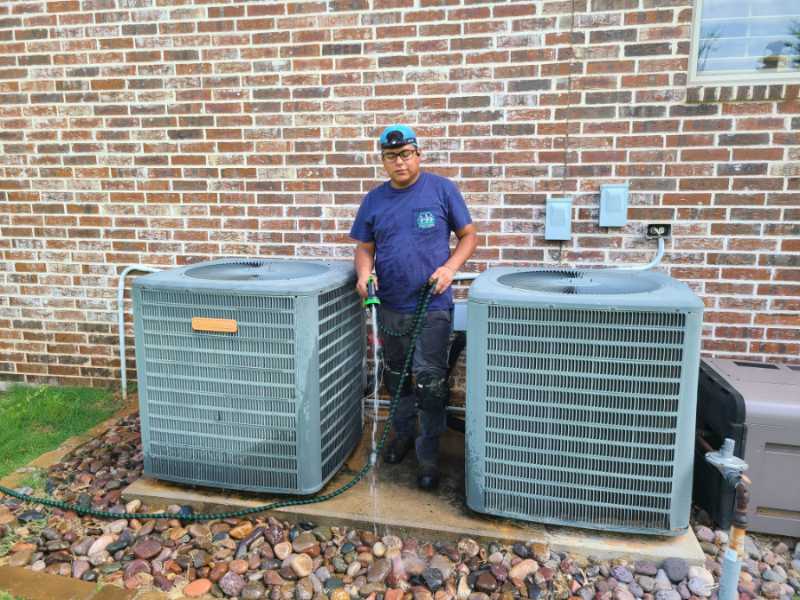
Residential HVAC matters because home comfort systems directly impact family health, safety, and daily quality of life in ways that demand specialized residential expertise. Licensed residential HVAC technicians understand building codes specific to residential construction, including proper ventilation requirements, electrical specifications, and safety protocols that protect families. Residential HVAC systems operate under different stress patterns than commercial equipment—they cycle on and off more frequently, handle varying occupancy loads throughout the day, and must maintain comfort in spaces where people sleep, cook, and spend extended periods. Energy efficiency in residential HVAC directly affects monthly utility costs, making proper system sizing and installation crucial for long-term affordability.
Residential HVAC also matters because indoor air quality issues in homes can trigger allergies, asthma, and other health problems, especially in children and elderly family members who spend significant time indoors. Proper residential HVAC maintenance prevents carbon monoxide risks from gas furnaces, ensures adequate ventilation to prevent moisture problems that lead to mold growth, and maintains consistent temperatures that prevent pipes from freezing during winter months. Insurance considerations also make residential HVAC important—many homeowner insurance policies require regular HVAC maintenance and proper installation to maintain coverage for heating and cooling system failures. Residential HVAC work must comply with local residential building codes, HOA requirements where applicable, and manufacturer warranty specifications that differ from commercial installations. Emergency residential HVAC service becomes critical because families cannot simply relocate when home comfort systems fail—they need rapid response times and reliable repairs that restore normal living conditions quickly. Property values also depend on properly functioning residential HVAC systems, as home buyers expect efficient heating and cooling that will provide years of reliable service without major renovation expenses.Ready to improve your home's comfort and efficiency?