
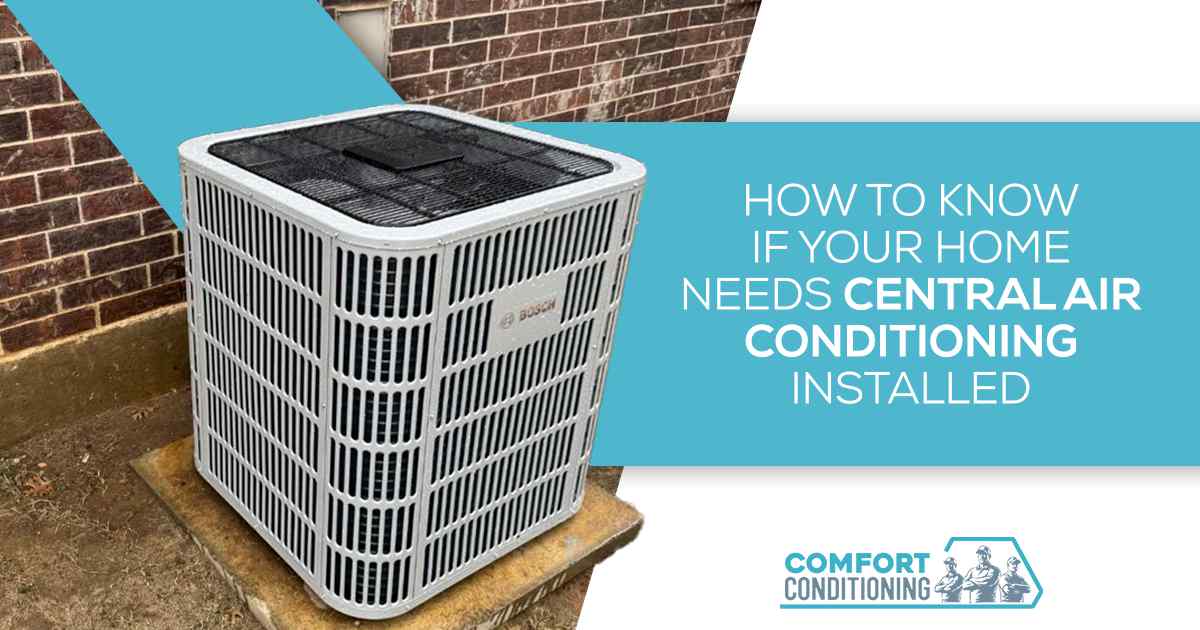
Keeping a home comfortable during a North Texas summer can become increasingly difficult when cooling systems are no longer able to meet the demands of the space. Many homeowners living in older houses, recently renovated homes, or properties with additions begin to wonder whether installing central air conditioning is the right long-term solution. Understanding the signs that indicate a home could benefit from a central cooling system can help homeowners make an informed decision before scheduling a professional evaluation.
For many homeowners, the decision becomes more important after experiencing another summer of uneven temperatures, rising utility bills, or the inconvenience of managing multiple cooling units. Understanding when these issues point toward the need for a whole-home cooling solution can help homeowners evaluate whether central air installation is the right long-term investment.
Central air conditioning installation offers more than just cooler indoor temperatures during the hottest months of the year. A properly designed system provides consistent cooling throughout the home, improves indoor comfort, and can operate more efficiently than relying on multiple standalone cooling units. By learning when central air becomes a practical investment, homeowners can better determine whether it fits their home’s current and future needs.
Does My Home Need Central Air Installation?
Not every home is originally built with a central air system, and many North Texas properties still rely on alternative cooling methods. As families grow, homes are remodeled, or comfort expectations change, these existing solutions may no longer provide the level of cooling homeowners want. Recognizing these situations is often the first step toward deciding whether central air conditioning installation makes sense.
Homes That Often Benefit from Central Air Installation
Several types of homes commonly become good candidates for installing central air conditioning, particularly when cooling demands increase over time. These situations often include:
- Older homes originally built without ducted HVAC systems.
- Homes that depend on multiple window air conditioners throughout the house.
- Home additions that are difficult to cool consistently.
- Converted garages or workshops that have become living spaces.
- Renovated bonus rooms or expanded family areas.
In many of these homes, cooling equipment has simply evolved over the years as individual rooms were modified or expanded. While these solutions may have worked temporarily, they can eventually create uneven comfort and higher operating costs across the home. A professionally designed central air system offers a more unified approach to cooling the entire living space.
Signs Your Home Needs Central Air Conditioning Installation
Many homeowners first consider central AC installation because their current cooling methods no longer provide consistent comfort. These signs often become more noticeable during periods of prolonged North Texas heat, when cooling equipment must operate for longer hours. Paying attention to these changes can help determine whether a whole-home air conditioning solution is worth exploring.
Window Air Conditioners No Longer Keep the Home Comfortable
Window air conditioners can effectively cool individual rooms, but they often struggle to maintain comfortable temperatures throughout an entire home. One room may feel cool while another remains noticeably warmer, leading to constant thermostat adjustments and the need to move between cooling zones. This uneven performance becomes increasingly frustrating as outdoor temperatures continue to rise.
Operating several window units simultaneously can also increase energy use while producing more indoor noise than many homeowners expect. Because each unit works independently, achieving consistent comfort throughout the home often becomes difficult. As cooling needs increase, replacing window air conditioners with a central air system may provide a more practical long-term solution.
Mini-Splits May Not Be the Best Whole-Home Solution
Mini-split systems remain an excellent option for many homes, especially when cooling a single room, garage conversion, or home addition. They provide flexible temperature control without requiring extensive ductwork, making them valuable for many remodeling projects. However, they may become less practical when multiple indoor units are needed to cool an entire house.
As additional indoor air handlers are installed throughout the home, managing several zones can become more complicated. Homeowners who want consistent temperatures across every room often begin considering central air conditioning installation instead. Rather than replacing the strengths of mini-splits, central air simply becomes the better choice when whole-home comfort is the primary goal.
Central Air vs. Window Units and Mini-Splits
Every cooling system serves a different purpose, and selecting the right one depends on the home’s layout, size, and long-term needs. Window air conditioners, mini-splits, and central air systems each offer advantages in specific situations. Understanding how they differ helps homeowners choose the solution that best matches their lifestyle.
Window units are generally designed to cool individual rooms rather than an entire home. While they may cost less initially, using several units throughout a house can lead to inconsistent temperatures, increased noise, and greater maintenance responsibilities. They may also occupy window space and affect the home’s appearance.
Mini-split systems provide greater efficiency and flexibility than window units, especially for additions or areas without existing ductwork. They allow individual temperature control in different rooms and can be an excellent solution for specific applications. However, homeowners seeking consistent whole-home cooling may eventually find that a central air system provides a simpler and more integrated solution.
A central cooling system distributes conditioned air evenly through ductwork, helping maintain more consistent indoor temperatures throughout the home. It also supports better humidity control, quieter operation, and improved convenience by allowing the entire home to be managed from a single thermostat. For many homeowners planning to remain in their homes for years to come, central air becomes an investment in long-term comfort.
In addition to providing consistent temperatures, many homeowners appreciate having a single thermostat to manage comfort throughout the house rather than adjusting multiple individual units. Removing several window air conditioners or reducing the number of indoor mini-split units can also create a cleaner appearance while improving overall indoor air circulation.
What Central Air Installation Involves
Installing central air conditioning begins with understanding the home’s unique characteristics rather than simply selecting new equipment. Every home has different cooling requirements based on its size, design, insulation, and existing mechanical systems. A professional evaluation helps ensure the system is properly matched to the property.
Evaluating the Home Before Installing Central Air
Before recommending equipment, HVAC professionals typically assess several factors that influence system performance. These evaluations may include:
- Overall square footage and home layout.
- Existing HVAC equipment, if any.
- Electrical system capacity.
- Insulation and air sealing.
- Existing ductwork or available installation pathways.
These details help determine the appropriate system size and identify any improvements that may be needed before installation begins. Proper planning supports long-term efficiency and reliable indoor comfort.
Installing Ductwork When Needed
Some older homes have never had ductwork installed because they were originally designed for other heating and cooling methods. In these situations, new ducts can often be planned to minimize disruption while providing balanced airflow throughout the home. The design of the duct system plays a major role in how effectively the central air system performs.
Homes with existing ductwork may require modifications rather than a complete replacement. Older ducts sometimes need repairs, sealing, resizing, or rerouting to improve airflow and efficiency. Addressing these issues during installation helps maximize the performance of the new central air system.
Choosing the Right Central Air System
Selecting the right equipment involves more than purchasing the largest available unit. An oversized system may cycle too frequently, while an undersized system may struggle to maintain comfortable temperatures during periods of extreme heat. Proper sizing ensures balanced cooling, improved humidity control, and better long-term efficiency.
Homeowners may also consider factors such as SEER2 ratings, operating costs, and compatibility with existing heating equipment when selecting a central air system. Modern systems offer significant improvements in energy efficiency while providing dependable cooling throughout the home’s living spaces. Professional recommendations help match equipment to the home’s specific cooling requirements.
A central air system includes several key components that work together to cool the home, including the outdoor condenser, the indoor evaporator coil, the air handler, and the thermostat. Understanding how these components function as a complete system helps homeowners appreciate the importance of selecting properly matched equipment during installation.
Is Central Air Installation Worth It for Older North Texas Homes?
North Texas experiences long cooling seasons and extended periods of high summer temperatures, making reliable air conditioning an important part of everyday comfort. Older homes that rely on outdated cooling methods often experience uneven temperatures, higher humidity, and increased energy consumption during peak summer months. Installing central air can help address many of these challenges while improving overall indoor comfort.
Many older homes also feature layouts that have changed over time through renovations and additions. As families adapt these homes to modern living, cooling demands frequently exceed what individual window units or portable systems can reasonably provide. A central cooling system offers a more consistent approach that keeps every room comfortable without relying on multiple independent units.
Central air installation may also contribute to improved energy efficiency when replacing several aging cooling appliances operating simultaneously. Modern HVAC systems are designed to deliver consistent performance while using energy more effectively than many older cooling options. Although every home’s circumstances are different, homeowners planning long-term occupancy often find that central air provides lasting comfort and convenience.
What to Expect During Central Air Installation
Understanding the installation process can help homeowners feel more prepared before work begins. While every project varies depending on the home’s condition and whether ductwork already exists, most installations follow a similar sequence. Professional planning helps minimize disruptions while ensuring the system is installed correctly.
Preparing for Installation Day
Before installation begins, the contractor typically confirms equipment selections, reviews the project plan, and prepares the work areas. Homeowners may be asked to provide access to mechanical spaces, attics, closets, or crawl spaces where equipment or ductwork will be installed. Protecting floors and maintaining a clean work environment are common parts of the installation process.
Depending on the scope of the project, installation may take anywhere from one day to several days. Larger homes or those requiring new ductwork may involve additional preparation before the system becomes operational. Clear communication throughout the project helps homeowners understand what to expect at each stage.
After Your New Central Air System Is Installed
Once installation is complete, technicians perform testing to verify that the system is operating properly and delivering balanced airflow throughout the home. The thermostat is configured, equipment performance is checked, and adjustments are made if necessary. This final inspection helps confirm that the system is ready for regular operation.
Homeowners also receive guidance on using the thermostat, changing air filters, and scheduling routine maintenance. Understanding these basic operating recommendations helps protect the investment while supporting long-term performance. Proper maintenance allows the central air system to continue delivering reliable comfort year after year.
Why Professional Installation Matters
Central air conditioning installation involves careful planning, proper equipment sizing, and attention to airflow throughout the home. Professional installation helps ensure the system complies with applicable building codes, manufacturer recommendations, and industry best practices. These steps contribute to dependable performance, improved efficiency, and reliable indoor comfort over the life of the system.
Experienced HVAC professionals also evaluate details that may not be immediately visible, including airflow balancing, duct performance, insulation concerns, and electrical compatibility. Addressing these factors during installation helps reduce future performance issues while supporting consistent temperatures throughout the home. Professional expertise ultimately provides homeowners with greater confidence that the system is designed to meet their home’s unique needs.
Schedule a Central Air Installation Consultation
Homeowners who are uncertain whether their property would benefit from whole-home air conditioning do not have to make the decision alone. A professional evaluation can identify the most effective cooling solution based on the home’s layout, existing equipment, and long-term comfort goals. To learn more about Comfort Conditioning’s central air installation services, schedule a professional consultation to discuss your home’s cooling needs and determine whether a central air system is the right long-term solution.