
Central Air Installation
Comfort Conditioning LLC provides central air installation for residential and commercial properties.
Contact Us
Our HVAC technicians perform central air installation by selecting appropriate system capacity, installing indoor and outdoor units, connecting refrigerant lines, and establishing proper electrical connections. Each central air installation follows industry standards for refrigerant handling, electrical code compliance, and manufacturer specifications to ensure safe operation. Property owners typically need central air installation when replacing outdated systems, upgrading from window units, or installing climate control in new construction. The installation process requires precise system sizing calculations based on building square footage, insulation levels, and local climate conditions. Proper central air installation prevents future problems like inadequate cooling, excessive energy consumption, and premature equipment failure.
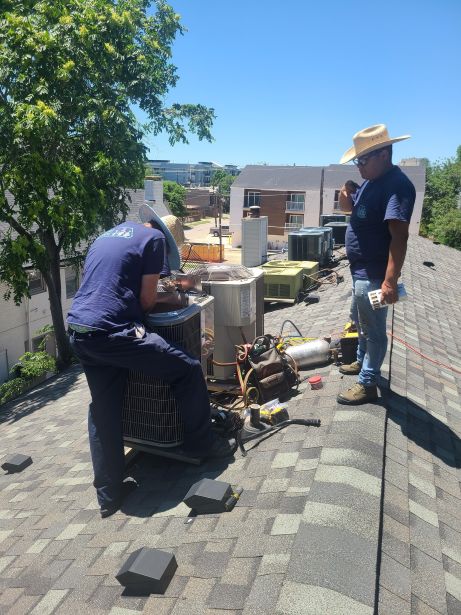
What Central Air Installation Includes
Central Air Installation Process
System Sizing Assessment
HVAC technicians calculate required cooling capacity using Manual J load calculations, measuring square footage, insulation levels, window orientation, and occupancy patterns. Proper sizing prevents undersized systems that cannot cool effectively or oversized systems that cycle inefficiently.
Equipment Positioning
Technicians position the outdoor condenser unit on a level pad with adequate clearance for airflow and service access, then install the indoor air handler in the designated location with proper drainage connections and structural support.
Refrigerant Line Installation
HVAC technicians run copper refrigerant lines between indoor and outdoor units, using proper insulation and securing methods. Lines are pressure tested for leaks before refrigerant charging to prevent system contamination and ensure efficient operation.
Electrical Connection Setup
Technicians install dedicated electrical circuits, disconnect switches, and control wiring according to electrical codes and manufacturer specifications. All connections are verified for proper voltage, amperage capacity, and grounding to ensure safe system operation.
System Commissioning
HVAC technicians start the system, verify refrigerant pressures, test all operating modes, calibrate thermostat settings, and measure airflow temperatures. Performance testing confirms the installation meets design specifications and operates within manufacturer parameters.
Understanding Central Air Installation
Central air installation requires comprehensive technical knowledge of refrigeration systems, electrical codes, and building construction methods. The process involves multiple specialized components that must work together seamlessly to provide efficient climate control. Professional central air installation ensures proper system performance, energy efficiency, and long-term reliability while meeting all safety and code requirements.
How Central Air Installation System Sizing Works
Accurate system sizing forms the foundation of successful central air installation projects. HVAC technicians use Manual J calculations to determine precise cooling loads based on building characteristics including square footage, ceiling heights, insulation values, window sizes and orientations, local climate data, and internal heat sources. These calculations prevent common sizing errors that plague poorly planned installations. Undersized systems run continuously without reaching desired temperatures, leading to excessive energy consumption and premature equipment failure. Oversized systems cycle on and off too frequently, failing to remove humidity effectively and creating uncomfortable temperature swings. Professional central air installation includes detailed load calculations that account for future efficiency improvements, room usage patterns, and local utility rate structures. Proper sizing also considers ductwork capacity, as existing duct systems may require modifications to handle new equipment airflow requirements. The sizing process directly impacts equipment selection, with technicians choosing condensing units, air handlers, and refrigerant line sizes that match calculated loads precisely.
Central Air Installation Equipment Placement Requirements
Strategic equipment placement significantly affects central air installation performance and longevity. Outdoor condensing units require level mounting surfaces, adequate clearance for airflow and service access, and protection from landscape debris and extreme weather conditions. HVAC technicians evaluate multiple placement options, considering noise transmission to occupied spaces, electrical service accessibility, and refrigerant line routing possibilities. Indoor air handler placement depends on available space, ductwork connections, drainage requirements, and structural support capacity. Proper central air installation avoids common placement mistakes like positioning condensing units in restrictive spaces that impede airflow or installing air handlers in areas without adequate service clearance. Equipment placement also affects refrigerant line lengths, with shorter runs improving system efficiency and reducing installation costs. Professional technicians consider future maintenance needs during placement decisions, ensuring components remain accessible for routine service and repairs. The placement phase of central air installation includes coordinating with other building systems like plumbing, electrical, and structural elements to avoid conflicts during construction or renovation projects.
Refrigerant Systems in Central Air Installation
Refrigerant system installation represents the most technically demanding aspect of central air installation work. HVAC technicians must handle refrigerants according to EPA regulations while ensuring leak-free connections throughout the system. The process begins with running properly sized copper lines between indoor and outdoor units, using correct insulation materials and securing methods to prevent vibration damage. Professional central air installation includes pressure testing all refrigerant lines before charging the system, identifying potential leak points that could cause performance problems or environmental violations. Refrigerant charging requires precise measurements and specialized equipment to achieve manufacturer-specified operating pressures and temperatures. Incorrect refrigerant levels cause multiple problems including reduced cooling capacity, increased energy consumption, compressor damage, and system freezing issues. Modern refrigerants require specific handling procedures and recovery methods that untrained installers often overlook. Quality central air installation includes detailed refrigerant documentation for future service needs and regulatory compliance. The refrigerant system installation process also involves installing proper filtration and moisture removal components that protect system reliability and maintain optimal performance throughout the equipment lifespan.
Electrical Integration for Central Air Installation
Electrical system integration during central air installation requires adherence to national and local electrical codes while ensuring safe, reliable operation. HVAC technicians install dedicated electrical circuits sized appropriately for equipment amperage requirements, including disconnect switches positioned within sight of outdoor units for safety compliance. Professional central air installation includes proper grounding systems that protect against electrical faults and ensure code compliance during inspections. Control wiring between thermostats, air handlers, and condensing units must follow manufacturer specifications for voltage levels, wire gauges, and routing methods. Many installations require electrical panel upgrades to accommodate increased power demands from high-efficiency equipment. The electrical integration process includes installing surge protection devices that safeguard expensive electronic components from power fluctuations and lightning strikes. Quality central air installation verifies proper electrical connections through voltage and amperage measurements at multiple system operating points. Technicians also coordinate electrical work with local utility companies when installations require service upgrades or meter modifications. The electrical phase of central air installation often involves working with licensed electricians to ensure all connections meet inspection requirements and maintain homeowner insurance coverage.
Central Air Installation FAQs
What Does Central Air Installation Include?
Central air installation includes system sizing calculations, indoor and outdoor unit installation, refrigerant line connections, electrical wiring setup, ductwork modifications if needed, and comprehensive system testing. HVAC technicians also handle refrigerant charging, thermostat programming, and performance verification to ensure proper operation.
How Long Does Central Air Installation Take?
Most central air installation projects require one to three days depending on system complexity and existing infrastructure. Simple replacements with compatible ductwork typically complete in one day, while installations requiring electrical upgrades or extensive ductwork modifications may take longer.
What Permits Are Required for Central Air Installation?
Central air installation typically requires HVAC permits and electrical permits from local building departments. Licensed contractors handle permit applications and schedule required inspections to ensure installations meet building codes and safety standards.
Can Central Air Installation Use Existing Ductwork?
Existing ductwork can often support central air installation if properly sized and in good condition. HVAC technicians evaluate duct capacity, seal quality, and insulation levels to determine compatibility with new equipment requirements and recommend modifications when necessary.