
Thermostat Installation
Comfort Conditioning LLC provides thermostat installation for residential and commercial properties.
Contact Us
Our HVAC technicians perform thermostat installation by carefully connecting control wiring to heating and cooling systems, mounting the unit securely, and calibrating temperature settings for accurate climate control. Each thermostat installation includes proper wire identification, secure mounting procedures, and comprehensive system testing to ensure reliable operation and code compliance. Thermostat installation becomes necessary when upgrading HVAC systems, replacing outdated manual controls, or installing new temperature zones. During thermostat installation, customers can expect minimal disruption as technicians work efficiently to establish proper communication between the control unit and HVAC equipment. Proper thermostat installation prevents system cycling issues, temperature inconsistencies, and energy waste that result from improper wiring or calibration errors.
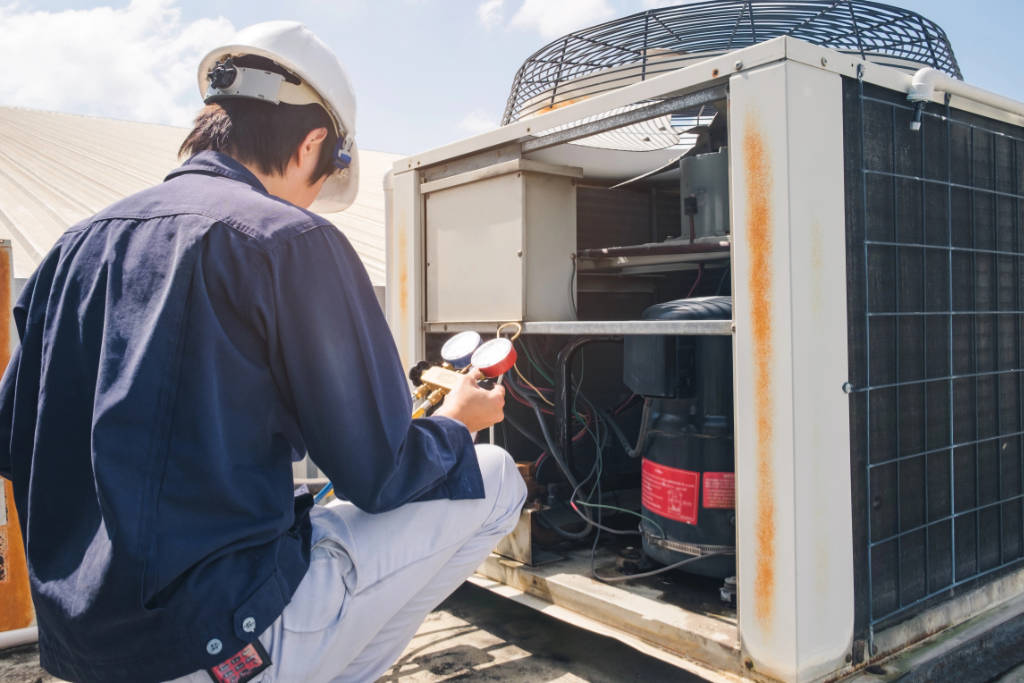
What Thermostat Installation Includes
Thermostat Installation Process
System Assessment and Wire Identification
HVAC technicians examine existing wiring configurations and identify heating, cooling, and fan control wires. This assessment determines compatibility requirements and ensures proper connections during thermostat installation, preventing system damage from incorrect wire placement.
Thermostat Mounting and Connection
Technicians securely mount the thermostat base to the wall and connect control wires according to manufacturer specifications. Proper wire connections ensure reliable communication between the thermostat and HVAC equipment for accurate temperature control.
Programming and Calibration Setup
HVAC technicians configure system settings, program heating and cooling parameters, and calibrate temperature sensors for accurate readings. This step ensures the thermostat installation operates within manufacturer specifications and provides precise climate control.
System Testing and Verification
Technicians test heating and cooling cycles, verify proper system response, and confirm accurate temperature readings. Complete testing ensures the thermostat installation functions correctly and identifies any adjustment needs before completing the service.
Understanding Thermostat Installation
Thermostat installation requires precise attention to wiring configurations, system compatibility, and calibration procedures to ensure reliable climate control operation. Professional installation prevents common issues like short cycling, temperature drift, and system damage that can result from improper connections or inadequate setup procedures. Understanding the technical requirements and installation variables helps property owners recognize the importance of expert thermostat installation services.
How Professional Thermostat Installation Works
Professional thermostat installation begins with comprehensive system analysis to determine compatibility between the new control unit and existing HVAC equipment. HVAC technicians examine wire configurations, voltage requirements, and communication protocols to ensure proper integration. The installation process involves careful wire identification, where technicians map existing control wires to determine heating, cooling, fan, and auxiliary functions. Proper wire labeling prevents connection errors that can damage expensive HVAC components or create safety hazards. During thermostat installation, technicians use specialized tools to strip wire insulation, make secure connections, and test continuity between the control unit and system components. Mounting procedures require precise positioning for optimal performance, considering factors like air circulation, direct sunlight exposure, and accessibility for maintenance. Professional thermostat installation includes comprehensive programming to establish temperature differentials, cycle timing, and system staging for multi-stage HVAC equipment. Quality installation ensures the thermostat communicates effectively with heating and cooling systems, providing accurate temperature control and energy-efficient operation that meets manufacturer specifications and local building codes.
Critical Variables Affecting Thermostat Installation
Several critical variables significantly impact thermostat installation success and long-term performance. Wire compatibility represents the primary consideration, as different HVAC systems require specific wire configurations and voltage levels. Heat pump systems demand specialized thermostat installation procedures to accommodate reversing valve controls and auxiliary heating functions. Multi-stage heating and cooling systems require thermostats capable of managing sequential equipment operation, making proper model selection essential before installation begins. Location factors heavily influence thermostat installation effectiveness, as placement near heat sources, drafts, or direct sunlight can cause temperature reading errors and poor system performance. Electrical considerations include proper circuit protection, grounding requirements, and power source compatibility for digital thermostats requiring continuous power. System age affects thermostat installation complexity, as older HVAC equipment may lack standard control wiring or require additional relay components for proper integration. Zoned systems present unique thermostat installation challenges, requiring coordination between multiple control units and zone damper systems. Professional HVAC technicians evaluate these variables during the assessment phase to ensure successful thermostat installation that provides reliable temperature control and optimal system efficiency throughout the equipment's operational life.
Industry Standards for Quality Thermostat Installation
Industry standards govern thermostat installation procedures to ensure safety, reliability, and optimal performance across all system types. National Electrical Code requirements specify proper wiring methods, circuit protection, and grounding procedures that must be followed during thermostat installation. HVAC industry standards establish minimum clearance requirements, mounting height specifications, and environmental considerations for proper thermostat placement. Quality thermostat installation includes comprehensive testing procedures that verify proper system response, accurate temperature readings, and correct cycle timing for all heating and cooling modes. Professional installation standards require documentation of wire configurations, system settings, and calibration procedures for future maintenance reference. Industry best practices mandate the use of appropriate wire connectors, proper insulation techniques, and secure mounting methods that prevent loose connections or physical damage. Temperature calibration standards ensure thermostat installation accuracy within acceptable tolerances, typically plus or minus two degrees Fahrenheit. Professional HVAC technicians follow manufacturer installation guidelines that specify proper setup procedures, programming sequences, and testing protocols for each thermostat model. Code compliance requirements vary by jurisdiction but generally include proper electrical connections, adequate circuit protection, and safe installation practices. Quality thermostat installation meets or exceeds these industry standards, providing property owners with reliable temperature control systems that operate safely and efficiently for years of dependable service.
Common Thermostat Installation Mistakes and Prevention
Understanding common thermostat installation mistakes helps property owners recognize the importance of professional installation services. Incorrect wire connections represent the most frequent installation error, potentially damaging expensive HVAC equipment or creating safety hazards. Reversed heating and cooling wires can cause systems to operate in the wrong mode, while improper common wire connections can prevent digital thermostats from receiving adequate power. Poor mounting practices, including inadequate wall anchoring or improper positioning, can cause thermostat failure or inaccurate temperature readings. Many DIY thermostat installation attempts fail due to inadequate system compatibility assessment, resulting in thermostats that cannot properly control multi-stage or heat pump systems. Calibration errors during installation can cause temperature discrepancies, leading to uncomfortable conditions and increased energy costs. Inadequate testing after thermostat installation often allows problems to go undetected until system failures occur during peak heating or cooling seasons. Professional HVAC technicians prevent these mistakes through systematic installation procedures, proper testing protocols, and comprehensive system knowledge. Quality thermostat installation includes thorough wire verification, secure mounting techniques, accurate calibration procedures, and complete system testing to ensure reliable operation. Proper installation documentation helps prevent future service issues and ensures warranty coverage remains valid throughout the thermostat's operational life.
Long-term Performance Factors in Thermostat Installation
Long-term thermostat installation performance depends on several critical factors that professional HVAC technicians address during the installation process. Proper wire sizing and connection quality directly impact system reliability, as undersized wires or loose connections can cause intermittent operation or complete system failure over time. Environmental factors surrounding the thermostat installation location affect long-term accuracy, requiring consideration of temperature stability, humidity levels, and air circulation patterns. Quality installation includes protective measures against dust accumulation, moisture intrusion, and physical damage that can degrade performance over years of operation. System compatibility ensures thermostat installation continues to function properly as HVAC equipment ages and operating characteristics change. Professional installation includes proper programming of maintenance reminders, filter change alerts, and system diagnostic features that help maintain optimal performance. Electrical protection during thermostat installation, including proper grounding and surge suppression, prevents damage from power fluctuations or electrical storms. Regular calibration verification becomes essential for maintaining accurate temperature control, making initial calibration during thermostat installation critically important. Quality installation documentation provides future service technicians with essential information about system configuration, programming settings, and operational parameters. Professional thermostat installation establishes the foundation for years of reliable temperature control, energy efficiency, and comfortable indoor conditions when performed according to industry standards and manufacturer specifications.
Thermostat Installation FAQs
What Does Professional Thermostat Installation Include?
Professional thermostat installation includes system compatibility assessment, proper wire identification and connection, secure wall mounting, temperature calibration, and comprehensive system testing. HVAC technicians also program system settings and provide documentation for future maintenance reference.
How Long Does Thermostat Installation Take to Complete?
Most thermostat installation projects require one to two hours for completion, depending on system complexity and wiring requirements. Multi-stage systems or heat pump installations may require additional time for proper programming and testing procedures.
What Factors Affect Thermostat Installation Compatibility?
Thermostat installation compatibility depends on existing wire configuration, voltage requirements, system type, and HVAC equipment age. Heat pumps, multi-stage systems, and zoned installations require specific thermostat features for proper operation and control.
When Should Property Owners Schedule Thermostat Installation?
Property owners should schedule thermostat installation when upgrading HVAC systems, replacing failed control units, or installing programmable features for energy savings. Installation during moderate weather conditions allows proper system testing before peak heating or cooling seasons.