
Air Purifier Installation
Comfort Conditioning LLC provides air purifier installation for residential and commercial properties.
Contact Us
Our HVAC technicians perform air purifier installation by integrating whole house air purification systems directly into existing HVAC ductwork, ensuring optimal air filtration throughout the entire property. Each air purifier installation includes proper sizing calculations, ductwork modifications when necessary, electrical connections, and comprehensive system testing to verify proper operation. Property owners typically need air purifier installation when dealing with allergens, dust buildup, pet dander, or indoor air quality concerns that standard HVAC filters cannot adequately address. The installation process requires careful consideration of airflow patterns, system compatibility, and proper placement to maximize air purification effectiveness while maintaining HVAC system efficiency.
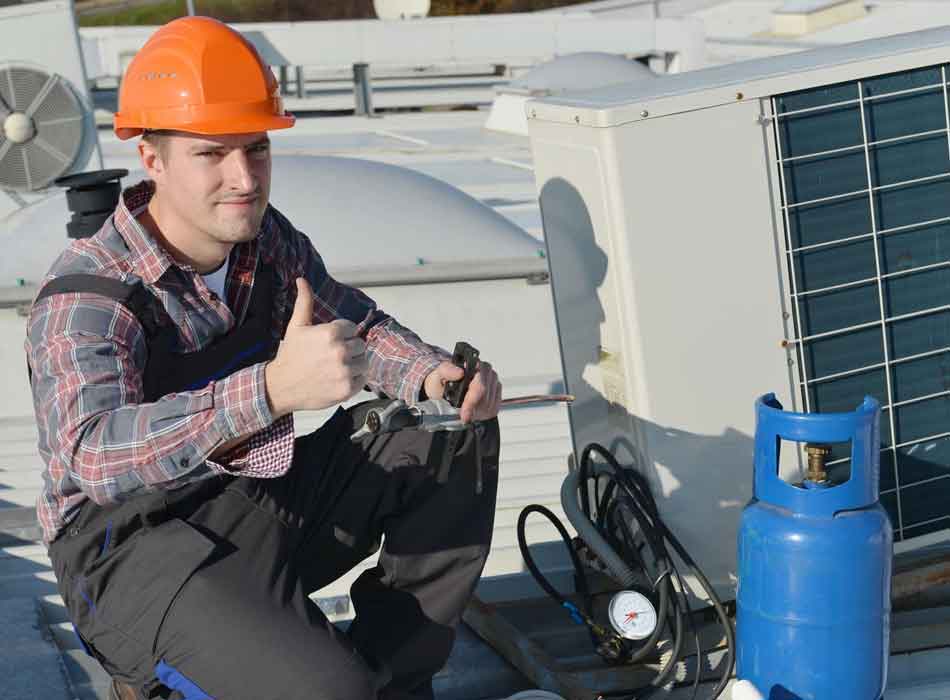
What Air Purifier Installation Includes
Air Purifier Installation Process
System Assessment and Sizing
HVAC technicians evaluate existing ductwork configuration, measure airflow capacity, and calculate proper air purifier sizing based on square footage and air circulation requirements. This assessment ensures the selected air purification system matches the property's specific needs and HVAC system capabilities.
Ductwork Preparation and Modification
Technicians prepare installation locations within the ductwork system, cutting precise openings for air purifier placement and installing mounting brackets. Any necessary ductwork modifications are completed to accommodate the air purification unit while maintaining proper airflow distribution throughout the system.
Air Purifier Installation and Connection
The air purification unit is securely mounted within the prepared ductwork location and connected to electrical power supply. HVAC technicians ensure proper electrical connections, verify unit positioning for optimal air treatment, and complete all mechanical connections according to manufacturer specifications.
System Testing and Calibration
Technicians perform comprehensive testing of the installed air purifier system, verifying proper operation, airflow rates, and electrical functionality. System calibration ensures optimal performance parameters while confirming the air purification system integrates seamlessly with existing HVAC operation without compromising heating or cooling efficiency.
Understanding Air Purifier Installation
Air purifier installation represents a significant advancement in indoor air quality management for both residential and commercial properties. Modern whole-house air purification systems integrate seamlessly with existing HVAC infrastructure to provide comprehensive air treatment throughout the entire building. Understanding the technical aspects, installation requirements, and performance factors of air purifier installation helps property owners make informed decisions about improving their indoor air environment.
How Air Purifier Installation Works in HVAC Systems
Air purifier installation involves integrating specialized filtration and purification technology directly into existing HVAC ductwork systems. The process begins with comprehensive system assessment to determine optimal placement locations within the ductwork where air purification units can effectively treat the entire air volume circulating through the building. HVAC technicians evaluate airflow patterns, duct sizing, and system capacity to ensure proper air purifier installation without compromising heating or cooling performance. The installation requires precise ductwork modifications to accommodate the air purification unit while maintaining proper air circulation throughout all areas of the property. Electrical connections must be established to power the air purification system, often requiring dedicated circuits to handle the electrical load of advanced purification technologies. Modern air purifier installation typically includes control systems that integrate with existing thermostats or provide independent operation controls for customized air quality management. The technical complexity of air purifier installation requires specialized knowledge of both HVAC systems and air purification technology to achieve optimal performance and efficiency.
Types and Technologies in Air Purifier Installation
Different air purification technologies require specific installation approaches and considerations during the air purifier installation process. UV light air purifiers install within ductwork to neutralize airborne pathogens and require careful positioning to maximize exposure time while protecting system components from UV damage. Electronic air cleaners use charged plates to capture particles and need proper electrical installation along with regular maintenance access for cleaning procedures. HEPA filtration systems require substantial airflow capacity and may necessitate ductwork modifications during air purifier installation to accommodate the increased pressure drop across high-efficiency filters. Ion generation systems install in ductwork to charge particles for improved capture by downstream filtration components. Photocatalytic oxidation units combine UV light with catalyst materials to break down organic compounds and odors, requiring specific installation parameters for optimal chemical reactions. Each air purifier installation must account for the specific technology requirements, maintenance needs, and performance characteristics of the chosen purification system. The installation approach varies significantly based on whether the system uses mechanical filtration, electronic precipitation, UV sterilization, or combination technologies that integrate multiple purification methods.
Sizing and Compatibility Factors in Air Purifier Installation
Proper sizing represents a critical factor in successful air purifier installation, requiring careful calculation of air volume, circulation rates, and system capacity to ensure effective air treatment throughout the property. HVAC technicians must evaluate the existing system's airflow capacity to determine whether the HVAC equipment can handle additional pressure drop introduced by air purification components. Undersized air purifier installation results in inadequate air treatment and poor indoor air quality improvement, while oversized systems can restrict airflow and reduce HVAC system efficiency. Compatibility assessment during air purifier installation includes evaluating electrical requirements, available space within ductwork, and integration capabilities with existing HVAC controls. Ductwork configuration significantly impacts air purifier installation success, as systems require adequate straight-run sections for proper air treatment and turbulence-free operation. Return air versus supply air placement affects purification effectiveness and requires different installation approaches depending on the specific air purification technology being installed. Professional air purifier installation includes comprehensive compatibility testing to ensure the new system works harmoniously with existing heating, cooling, and ventilation equipment. System capacity calculations must account for the increased electrical load and any changes to airflow resistance that impact overall HVAC system performance and energy efficiency.
Installation Quality Standards for Air Purifier Installation
Quality air purifier installation requires adherence to specific industry standards and manufacturer specifications to ensure optimal system performance and longevity. Proper installation includes precise ductwork modifications that maintain structural integrity while providing secure mounting points for air purification equipment. Electrical connections must meet local electrical codes and manufacturer requirements, with appropriate circuit protection and grounding to ensure safe operation. Airflow testing during air purifier installation verifies that the system maintains proper air circulation throughout the building without creating pressure imbalances that could affect HVAC performance. Sealing around installation penetrations prevents air leakage that could bypass the air purification system and reduce treatment effectiveness. Professional air purifier installation includes comprehensive system commissioning to verify all components operate correctly and achieve specified performance parameters. Quality installation practices ensure easy access for future maintenance while protecting air purification components from damage during routine HVAC service. Documentation of air purifier installation should include system specifications, electrical connections, maintenance requirements, and warranty information. Proper installation techniques prevent common problems such as air bypass, electrical issues, component damage, and reduced purification effectiveness that can result from substandard installation practices.
Air Purifier Installation FAQs
What Does Air Purifier Installation Include?
Air purifier installation includes system sizing and assessment, ductwork modifications and integration, electrical wiring and connections, unit mounting and positioning, control system setup, and comprehensive testing. The process also includes airflow calibration to ensure proper operation with existing HVAC equipment and verification that the air purification system achieves specified performance parameters throughout the property.
How Long Does Air Purifier Installation Take?
Most air purifier installation projects require 4-8 hours depending on system complexity, ductwork modifications needed, and electrical requirements. Simple installations in accessible ductwork locations typically complete faster, while comprehensive systems requiring extensive ductwork modifications or dedicated electrical circuits may require additional time. HVAC technicians provide specific timeframes after evaluating the installation requirements.
What Factors Affect Air Purifier Installation Complexity?
Air purifier installation complexity depends on existing ductwork configuration, available electrical capacity, system type and size, and accessibility of installation locations. Properties with restrictive ductwork layouts, inadequate electrical service, or limited access points require more extensive installation work. The specific air purification technology chosen also impacts installation requirements and complexity levels.
Can Air Purifier Installation Work with Any HVAC System?
Air purifier installation compatibility varies based on HVAC system type, age, and capacity. Most modern forced-air systems accommodate air purification equipment with proper sizing and installation techniques. Older systems or those with limited airflow capacity may require system upgrades or modifications to support effective air purifier installation and operation.