
AC Repair
Comfort Conditioning LLC provides ac repair for residential and commercial properties throughout the service area. Our HVAC technicians perform ac repair by diagnosing system malfunctions, replacing faulty components, repairing refrigerant leaks, and restoring proper cooling performance using industry standard equipment and procedures. Each ac repair follows manufacturer specifications and local building codes to ensure safe, reliable operation and prevent recurring breakdowns. Air conditioning systems typically require ac repair when they experience reduced cooling capacity, unusual noises, frequent cycling, or complete system failure. During ac repair service calls, customers can expect thorough system evaluation, clear explanation of identified problems, and professional repair work completed with quality replacement parts. Proper ac repair performed by licensed technicians prevents minor issues from escalating into major system failures and extends equipment lifespan.
Contact Us
What AC Repair Includes
AC Repair Process
System Diagnostics
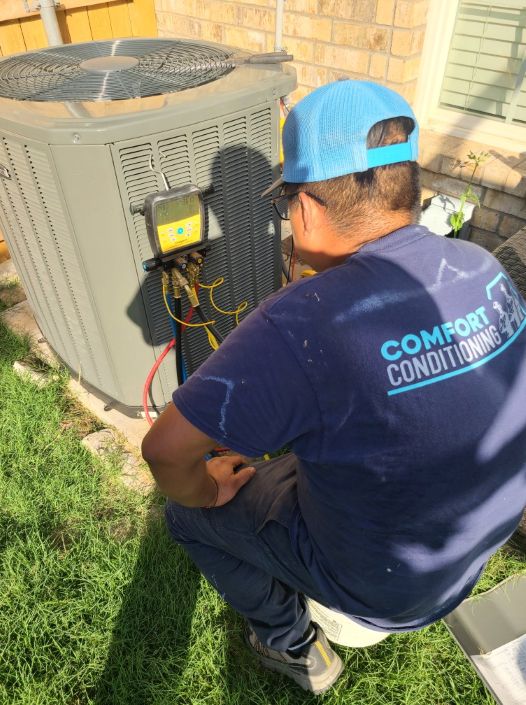
HVAC technicians perform comprehensive system testing using digital multimeters, manifold gauges, and temperature sensors to identify the root cause of cooling problems and determine which components require repair or replacement.
Component Inspection
Detailed visual and functional inspection of compressor, condenser unit, evaporator coils, electrical connections, and refrigerant lines to assess component condition and identify signs of wear, damage, or malfunction.
Repair Execution
Replace defective components using manufacturer-approved parts, repair refrigerant leaks with appropriate sealing compounds, clean coils to restore heat transfer efficiency, and restore proper electrical connections following safety protocols.
System Testing
Complete system startup and performance verification including temperature differential measurement, refrigerant pressure testing, electrical current monitoring, and airflow assessment to confirm proper operation and cooling capacity restoration.
Understanding AC Repair
Professional ac repair requires technical expertise to diagnose complex cooling system problems and restore proper operation safely. Air conditioning systems contain multiple interconnected components including compressors, condensers, evaporators, and electrical controls that must work together efficiently. When one component fails, it often affects overall system performance and can lead to secondary damage if not addressed promptly. Understanding how ac repair addresses these interconnected issues helps property owners recognize when professional service is necessary and what to expect during the repair process.
How AC Repair Diagnoses System Problems
Effective ac repair begins with systematic diagnosis using specialized HVAC testing equipment to identify the root cause of cooling problems. Technicians measure refrigerant pressures, electrical voltages, temperature differentials, and airflow rates to determine which components are malfunctioning. Digital manifold gauges reveal refrigerant system problems such as low charge, blockages, or compressor issues, while multimeters detect electrical faults in motors, capacitors, and control circuits. Visual inspection identifies physical damage, corrosion, or wear that affects component performance. This comprehensive diagnostic approach ensures ac repair addresses the actual problem rather than just symptoms, preventing recurring breakdowns and unnecessary component replacement. Proper diagnosis also reveals whether multiple components require attention, allowing technicians to prioritize repairs based on safety concerns and system reliability. The diagnostic phase typically takes 30 to 60 minutes depending on system complexity and the nature of the reported problem.
Common AC Repair Component Replacements
Most ac repair service calls involve replacing worn or failed components that are essential for system operation. Compressors are the most critical component, pumping refrigerant through the system to enable heat transfer, and typically require replacement when they suffer mechanical failure or electrical burnout. Fan motors move air across condenser and evaporator coils, and when they fail, the system loses its ability to transfer heat effectively. Capacitors provide electrical startup power for motors and compressors, and when they weaken or fail, components cannot start or run properly. Contactors control electrical power to major components and require replacement when their contacts become pitted or burned from electrical arcing. Refrigerant leaks in coils or line connections require repair with appropriate sealing materials or component replacement when damage is extensive. Each ac repair component replacement follows manufacturer specifications for proper installation, electrical connections, and system integration to ensure reliable operation and maintain equipment warranties.
AC Repair Safety and Code Compliance
Professional ac repair must comply with electrical codes, refrigerant handling regulations, and safety standards to protect property and occupants. Licensed HVAC technicians follow EPA regulations when handling refrigerants, using recovery equipment to prevent environmental release and ensure proper disposal of contaminated refrigerant. Electrical repairs require adherence to National Electrical Code standards, including proper grounding, circuit protection, and wire sizing to prevent fire hazards. High-voltage electrical components in ac repair work pose shock and electrocution risks, requiring technicians to follow lockout procedures and use appropriate personal protective equipment. Refrigerant systems operate under high pressure, making proper brazing techniques and pressure testing essential for safe repairs. Gas leak detection equipment ensures repairs do not create hazardous conditions, while proper ventilation prevents refrigerant accumulation in enclosed spaces. Quality ac repair includes thorough safety checks after completing repairs, verifying that all electrical connections are secure, refrigerant levels are correct, and safety controls function properly.
Factors Affecting AC Repair Complexity and Duration
The scope and duration of ac repair varies significantly based on system type, component accessibility, and the extent of damage requiring attention. Residential split systems typically allow easier access to components compared to packaged rooftop units that may require ladder work and weather considerations. Age of equipment affects repair complexity, as older systems may require obsolete parts or have deteriorated connections that complicate repair work. Multiple component failures increase ac repair time and complexity, particularly when secondary damage occurs from operating with a failed primary component. Refrigerant leaks in hard-to-reach locations such as evaporator coils inside ductwork require additional labor for access and may necessitate partial system disassembly. Electrical problems affecting control circuits often require systematic troubleshooting to trace wiring and identify faulty connections or components. Emergency ac repair during peak cooling season may face parts availability challenges, potentially requiring temporary repairs until proper components arrive. System capacity and configuration also influence repair duration, with larger commercial units requiring more extensive testing and adjustment procedures to restore proper operation.
AC Repair FAQs
What Does AC Repair Include When the System Stops Cooling?
AC repair for cooling problems includes comprehensive system diagnosis, refrigerant pressure testing, electrical component inspection, and repair or replacement of faulty parts such as compressors, fan motors, or capacitors. Technicians also check for refrigerant leaks, clean coils if necessary, and verify proper system operation after completing repairs.
How Long Does Typical AC Repair Take to Complete?
Most AC repair takes 1 to 3 hours depending on the problem complexity and component accessibility. Simple repairs like capacitor or contactor replacement may take 30 to 60 minutes, while compressor replacement or refrigerant leak repairs can require 3 to 6 hours including system testing and verification.
What Signs Indicate AC Repair is Needed Immediately?
Immediate AC repair is needed when the system produces no cooling, makes loud grinding or squealing noises, trips electrical breakers repeatedly, or shows visible refrigerant leaks. Other urgent signs include burning odors, ice formation on coils during operation, or complete system failure to start when thermostat calls for cooling.
Can AC Repair Prevent Future System Breakdowns?
Professional AC repair addresses current problems and identifies potential issues that could cause future breakdowns if left unaddressed. Technicians inspect all system components during repair visits, recommend preventive measures, and ensure proper system operation to reduce the likelihood of recurring problems and extend equipment lifespan.