
24 Hour HVAC
Emergency Heating and Cooling Service Around the Clock
Contact Us
When your heating or cooling system fails outside normal business hours, 24 hour HVAC service becomes essential. Comfort Conditioning LLC provides round the clock emergency HVAC response with licensed technicians available nights, weekends, and holidays. Our 24 hour HVAC technicians handle urgent heating and cooling emergencies that cannot wait until regular business hours. From complete system failures during extreme weather to dangerous gas leaks and electrical hazards, our emergency HVAC team responds quickly to restore comfort and safety. Unlike standard HVAC service calls, 24 hour HVAC service prioritizes immediate response times and carries emergency service rates. Our licensed and insured HVAC technicians arrive equipped with common replacement parts, diagnostic equipment, and the expertise to handle complex emergency repairs in challenging conditions. Whether your furnace stops working on a freezing winter night or your air conditioning system fails during a summer heatwave, 24 hour HVAC service ensures you receive professional heating and cooling solutions when you need them most.
When to Consider 24 Hour HVAC
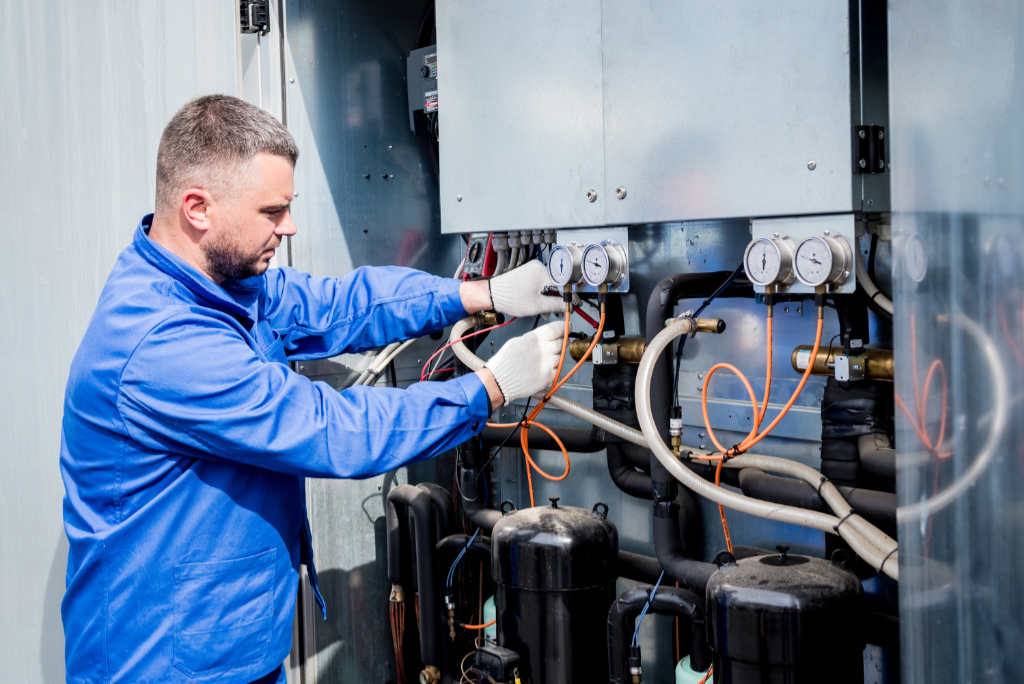
24 hour HVAC service becomes necessary when heating or cooling system emergencies occur outside standard business hours and create immediate safety hazards or unbearable living conditions. Complete system failures during extreme weather conditions require immediate attention, such as furnace breakdowns when outdoor temperatures drop below freezing or air conditioning failures during dangerous heat waves. Gas leaks from furnaces or other HVAC equipment demand immediate emergency response regardless of the time, as natural gas poses serious explosion and carbon monoxide poisoning risks.Electrical issues within HVAC systems, including sparking components, burning smells, or complete electrical failures, require urgent attention to prevent fire hazards. Carbon monoxide detector alarms triggered by faulty furnaces or blocked ventilation systems constitute life-threatening emergencies requiring immediate HVAC technician response.
Burst pipes connected to HVAC systems during freezing weather create flooding risks and require emergency repair to prevent extensive water damage. Commercial buildings with failed HVAC systems may need 24 hour service to maintain required temperatures for temperature-sensitive inventory, medical equipment, or business operations. Seniors, infants, and individuals with medical conditions face serious health risks when heating or cooling systems fail during extreme weather, making emergency HVAC service medically necessary. Strange noises, unusual odors, or visible damage to HVAC equipment during off-hours may indicate dangerous conditions requiring immediate professional assessment. Holiday weekends and severe weather events often coincide with increased HVAC system failures, when regular service appointments are unavailable but emergency conditions persist. Refrigeration systems in restaurants and grocery stores require immediate attention when failures occur, as spoiled inventory can result in thousands of dollars in losses within hours and create food safety violations under FDA regulations. Data centers and server rooms demand emergency HVAC response to prevent equipment overheating that could cause catastrophic system failures costing millions in downtime and hardware replacement. Manufacturing facilities with temperature-controlled processes cannot afford delays, as production line shutdowns due to HVAC failures can cost $50,000 to $200,000 per hour in lost revenue and contract penalties. Healthcare facilities including hospitals, nursing homes, and medical offices must maintain specific temperature ranges per Joint Commission standards, making HVAC failures a critical patient safety issue requiring immediate resolution. Pharmaceutical storage areas and laboratories require precise climate control to maintain product integrity, with temperature excursions potentially rendering medications worthless or compromising research samples. Water heater failures connected to HVAC systems during winter months can cause pipes to freeze and burst within 24-48 hours, leading to extensive property damage that emergency service can prevent. Indoor air quality emergencies arise when HVAC systems malfunction and create dangerous humidity levels above 60%, promoting rapid mold growth that poses health risks and expensive remediation costs. Boiler emergencies in multi-unit residential buildings affect dozens of families simultaneously and require immediate response to prevent tenant displacement and potential legal liability for property owners. Emergency technicians must carry specialized diagnostic equipment including combustion analyzers, digital manometers, and infrared thermometers to quickly identify system failures during after-hours service calls. Common mistakes during emergency repairs include bypassing safety controls, using incorrect replacement parts due to limited inventory, or performing temporary fixes that create future hazards requiring proper documentation and follow-up service. Emergency HVAC service typically costs 1.5 to 3 times regular rates due to after-hours labor premiums, but delays can result in exponentially higher costs from property damage, business interruption, or health emergencies. Proper emergency response requires technicians certified in EPA Section 608 refrigerant handling, NATE technical competency, and local electrical codes to ensure safe and compliant repairs. Heat pump failures during extreme cold weather create dual emergencies requiring both emergency heat activation and primary system repair to prevent frozen coils and compressor damage that could cost $3,000 to $8,000 to replace. Industrial HVAC emergencies often involve complex controls systems, variable frequency drives, and large horsepower motors requiring specialized expertise and equipment not available from general service technicians. Emergency repairs must comply with local building codes and permit requirements, with some jurisdictions requiring inspection of electrical work performed during emergency calls before systems can be legally returned to service.
Services Available
Emergency HVAC Repair
24 hour emergency HVAC repair addresses urgent heating and cooling system failures that pose safety hazards or create unbearable conditions during off-hours. Emergency technicians arrive with diagnostic equipment and common replacement parts to restore basic system function quickly, though complex repairs may require follow-up appointments. Emergency HVAC repair carries higher service rates due to after-hours response requirements and priority scheduling.
Emergency HVAC Repair
24 hour emergency HVAC repair addresses urgent heating and cooling system failures that pose safety hazards or create unbearable conditions during off-hours. Emergency technicians arrive with diagnostic equipment and common replacement parts to restore basic system function quickly, though complex repairs may require follow-up appointments. Emergency HVAC repair carries higher service rates due to after-hours response requirements and priority scheduling.
Furnace Repair
24 hour furnace repair addresses heating system emergencies that create freezing conditions or safety hazards like gas leaks or carbon monoxide risks. Emergency furnace technicians prioritize restoring safe heat operation and addressing immediate dangers, though complete system restoration may require additional work during normal hours. Emergency furnace repair includes gas leak detection, electrical safety checks, and carbon monoxide testing to ensure safe operation.
Heat Pump Repair
24 hour heat pump repair handles emergency failures of dual-season heating and cooling systems that leave homes without climate control during extreme weather. Emergency heat pump technicians focus on restoring basic heating or cooling function depending on seasonal needs, addressing refrigerant leaks, electrical failures, or mechanical breakdowns. Heat pump emergency repairs may involve switching to backup heating modes while primary system components are repaired or replaced.
Why This Matters
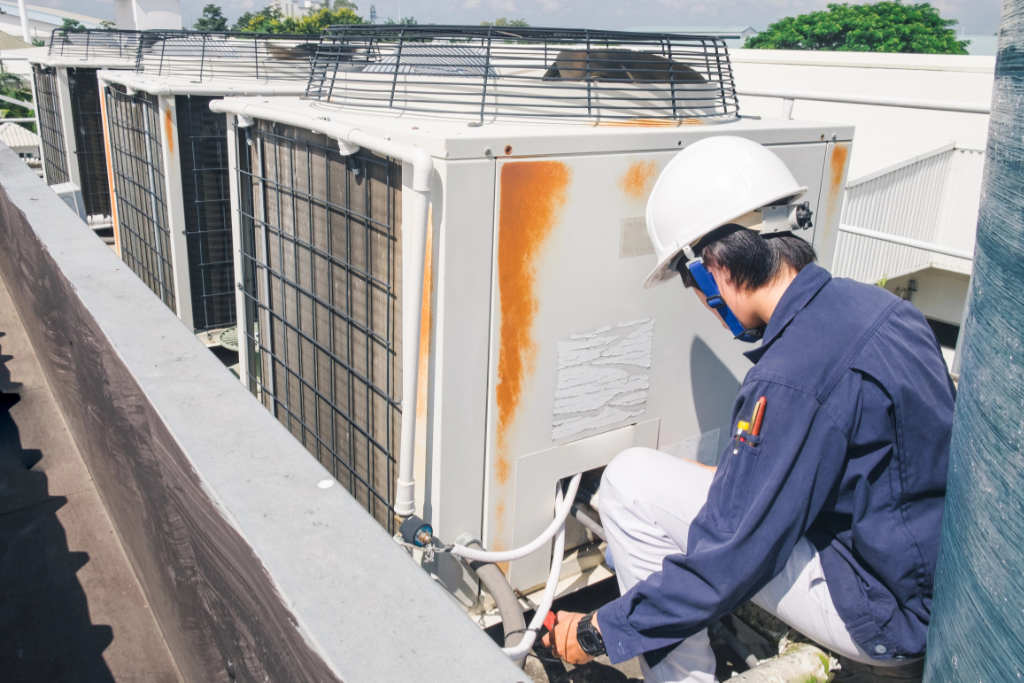
24 hour HVAC service matters because heating and cooling emergencies create immediate health and safety risks that cannot wait for regular business hours. Extreme weather conditions pose serious health threats when HVAC systems fail, with heat-related illnesses and hypothermia developing within hours of system failure. The National Weather Service issues excessive heat warnings when temperatures create dangerous conditions, making emergency air conditioning repair essential for preventing heat stroke, dehydration, and other life-threatening complications. Similarly, freezing temperatures can cause death from hypothermia, particularly affecting elderly individuals, young children, and those with compromised immune systems who cannot regulate body temperature effectively.
Gas leaks from faulty furnaces or damaged gas lines create explosion hazards and carbon monoxide poisoning risks that require immediate professional response regardless of time or day. Carbon monoxide exposure can cause unconsciousness and death within hours, making emergency furnace repair and ventilation system assessment critical life-safety services. Delayed response to HVAC emergencies often results in significantly higher repair costs, as minor issues escalate into major system failures when left unaddressed. Frozen pipes connected to heating systems can burst and cause thousands of dollars in water damage within hours, making immediate heating system restoration essential for property protection. Commercial businesses face substantial financial losses when HVAC failures affect temperature-sensitive inventory, disrupt operations, or violate health department regulations for food service establishments. Emergency HVAC service rates reflect the specialized nature of after-hours response, including technician availability, emergency parts inventory, and priority scheduling that displaces regular service appointments. Licensed HVAC technicians providing 24 hour service maintain specialized emergency equipment, diagnostic tools, and parts inventory necessary for rapid system restoration under challenging conditions. Building codes mandate specific temperature requirements for occupied structures, with OSHA workplace standards requiring temperatures between 68-76°F for employee safety and productivity. Healthcare facilities must maintain temperatures between 70-75°F in patient areas according to ASHRAE Standard 170, making emergency HVAC response critical for regulatory compliance and patient care continuity. Data centers require precise temperature control to prevent server overheating, with temperatures exceeding 80°F potentially causing irreversible hardware damage worth millions of dollars. Food service establishments face immediate health department violations when refrigeration systems fail, potentially requiring disposal of entire inventories if temperatures exceed safe storage thresholds for more than four hours. Emergency HVAC technicians carry specialized leak detection equipment, refrigerant recovery systems, and combustion analyzers to diagnose complex system failures during off-hours when parts suppliers and equipment rental facilities are closed. The cascade effect of system failures becomes apparent when primary heating components malfunction, causing secondary issues like frozen condensate drains, cracked heat exchangers, or compressor damage from liquid refrigerant slugging. Professional emergency response involves systematic troubleshooting procedures that inexperienced technicians often skip, leading to misdiagnosis and unnecessary component replacement that increases repair costs substantially. Critical timing factors include the four-hour window for frozen pipe prevention once heating systems fail, the two-hour maximum exposure time for carbon monoxide before serious health effects occur, and the six-hour threshold for perishable goods in commercial refrigeration applications. Emergency service protocols require technicians to prioritize life safety issues first, addressing gas leaks and ventilation problems before attempting system repairs that might temporarily restore comfort but ignore underlying hazards. Quality emergency service execution demands proper personal protective equipment including gas detectors, safety glasses, and insulated tools for electrical work on energized circuits when immediate shutdowns aren't feasible. Common mistakes during emergency repairs include bypassing safety controls to restore immediate function, failing to test combustion efficiency after furnace repairs, neglecting to check refrigerant pressures after compressor replacement, and inadequately sealing ductwork repairs that create ongoing energy losses. Emergency parts inventory requirements include universal control boards, standard capacitors, common belt sizes, refrigerant charging equipment, and backup thermostats to handle the most frequent failure modes without waiting for supplier deliveries. The financial impact of delayed emergency response compounds rapidly, with typical residential heating system failures costing $300-800 for immediate repair but escalating to $3,000-8,000 when secondary damage occurs from frozen pipes, failed heat exchangers, or compressor burnout from electrical issues. Professional emergency HVAC service maintains insurance coverage, bonding, and liability protection that unqualified repair attempts cannot provide, protecting property owners from additional damages caused by improper installation or repair procedures performed under emergency conditions.