
HVAC Installation
Complete Heating and Cooling System Installation Services
HVAC installation is the process of selecting, installing, connecting, and commissioning a new heating, ventilation, and air conditioning system. It can include installing indoor and outdoor equipment, refrigerant lines, electrical connections, ductwork, controls, and other components required for the system to operate properly. HVAC installation may be needed when replacing an aging system, completing a new construction project, expanding a home, upgrading equipment, or changing from one type of heating or cooling system to another.
Proper installation is an important part of achieving reliable system performance. Correct equipment selection, sizing, installation, testing, and setup help the system operate as intended and support efficient heating and cooling throughout its service life.
Contact Us
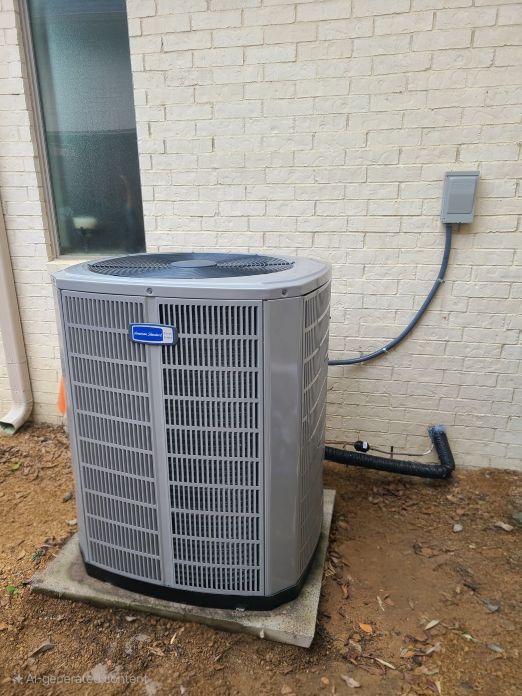
When You Need HVAC Installation
HVAC installation may be appropriate in several situations:
- Replacing an aging system. Older equipment may experience frequent repairs, declining performance, or difficulty maintaining comfortable temperatures.
- New construction. A new building requires an HVAC system designed and installed as part of the overall construction process.
- Home renovations or additions.Changes to the size or layout of a home may require additional capacity, modified ductwork, or a new system configuration.
- Equipment upgrades.Replacing older equipment can provide an opportunity to install a newer system with updated features and improved performance.
- Emergency replacement.A major equipment failure may require replacement when an existing system can no longer provide dependable heating or cooling.
- System conversions.A project may involve changing the type of heating or cooling system or adding cooling capability to an existing heating system.
Every installation project is different. Equipment selection and system sizing should be based on the building's requirements rather than using a one-size-fits-all approach.
HVAC Installation Services
HVAC installation can involve several types of heating, cooling, and air distribution systems. Each installation is evaluated and configured according to the equipment and building requirements.
AC Installation
AC installation involves setting up a new air conditioning system and connecting the components required for cooling. This may include indoor and outdoor equipment, refrigerant lines, electrical connections, controls, and other system components.
Proper installation helps ensure the equipment is correctly connected, configured, tested, and ready to provide dependable cooling.
Central Air Installation
Central air installation provides whole-home cooling through a central system connected to the building's air distribution system. Installation may involve evaluating existing ductwork, determining appropriate equipment, connecting the system to existing heating equipment, or installing a complete new configuration.
Proper equipment sizing and balanced air distribution are important for consistent cooling throughout the home.
Furnace Installation
Furnace installation involves setting up heating equipment and connecting it to the home's electrical, fuel, ventilation, and air distribution systems as applicable.
The installation process includes proper equipment sizing, connection of required components, verification of safe operation, and testing to ensure the furnace operates according to manufacturer requirements and applicable codes.
Heat Pump Installation
Heat pump installation provides heating and cooling through a single system. Installation involves connecting the indoor and outdoor equipment, refrigerant lines, electrical components, controls, and other required system components.
Proper configuration and testing help ensure the heat pump can provide dependable heating and cooling throughout the year.
Duct Installation
Duct installation creates or modifies the air distribution pathways that move conditioned air throughout a building. Proper duct sizing, layout, sealing, insulation, and support help maintain appropriate airflow and reduce unnecessary energy loss.
Ductwork may be installed as part of a new HVAC system or modified when an existing system is replaced, expanded, or reconfigured.
What Proper HVAC Installation Requires
A successful HVAC installation involves more than placing new equipment in position. The system needs to be appropriately selected, installed, connected, tested, and commissioned.
Proper System Sizing
Equipment should be selected based on the heating and cooling requirements of the space. Proper sizing helps the system operate effectively and maintain comfortable indoor temperatures without unnecessary cycling or inadequate capacity.
Load calculations and equipment specifications can be used to determine the appropriate system for the building.
Correct Installation and Connections
HVAC systems contain multiple components that must work together. Installation can involve refrigerant connections, electrical wiring, ductwork, drainage, controls, ventilation, and other system-specific components.
Each component should be installed according to the equipment manufacturer's requirements and applicable building, mechanical, electrical, and safety codes.
System Testing and Commissioning
After installation, the completed system should be tested to verify that the equipment and connected components are operating correctly.
Commissioning can include checking system operation, airflow, temperature performance, controls, electrical connections, refrigerant-related components, and safety functions as applicable to the equipment.
Testing helps identify installation issues before the system is placed into normal operation.
Attention to Installation Quality
Installation quality can affect how an HVAC system performs over time. Problems such as incorrect equipment sizing, poor airflow, improper connections, inadequate duct sealing, or incorrect system configuration can reduce performance and contribute to premature equipment problems.
Professional installation focuses on completing each part of the system correctly rather than simply getting the equipment running.
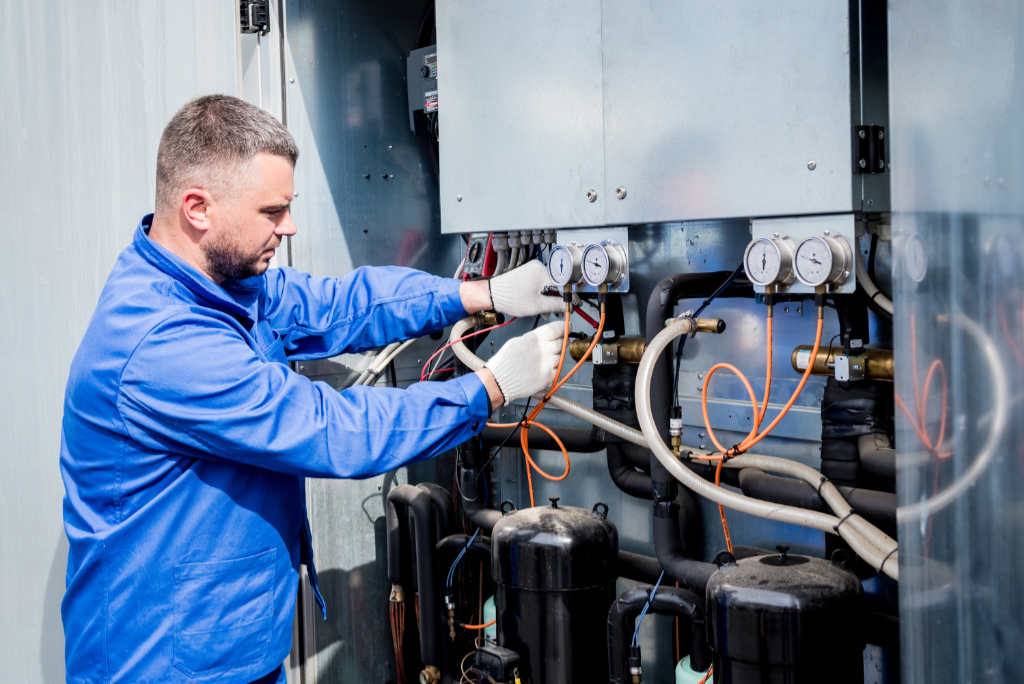
Why Proper HVAC Installation Matters
The installation process establishes the foundation for how a new HVAC system operates.
Proper installation can help:
- Support reliable heating and cooling performance
- Maintain appropriate airflow throughout the building
- Allow equipment to operate according to manufacturer specifications
- Support efficient system operation
- Reduce the risk of installation-related problems
- Help protect applicable manufacturer warranty requirements
- Ensure required safety and code considerations are addressed
- Provide a properly tested system before normal operation
A properly installed system also gives homeowners a clearer starting point for ongoing maintenance and future service.
Professional HVAC Installation
HVAC installation requires coordination between equipment selection, system design, installation, connections, and final testing. The right approach depends on the building, existing system, equipment being installed, and goals of the project.
Whether the project involves replacing an existing HVAC system, installing equipment in new construction, adding capacity during a renovation, or changing the type of heating or cooling system, proper planning and installation are important to achieving dependable results.