
Thermostat Repair
Comfort Conditioning LLC provides thermostat repair for residential and commercial properties.
Contact Us
Our HVAC technicians perform thermostat repair by diagnosing malfunctioning units, replacing faulty components, recalibrating temperature sensors, and repairing damaged wiring connections. Each thermostat repair follows manufacturer specifications and electrical code requirements to ensure accurate temperature control and system efficiency. Property owners typically need thermostat repair when experiencing inconsistent temperatures, blank displays, unresponsive controls, or HVAC systems that cycle incorrectly. During thermostat repair, customers can expect diagnostic testing, component replacement or adjustment, and system verification to restore proper climate control functionality.
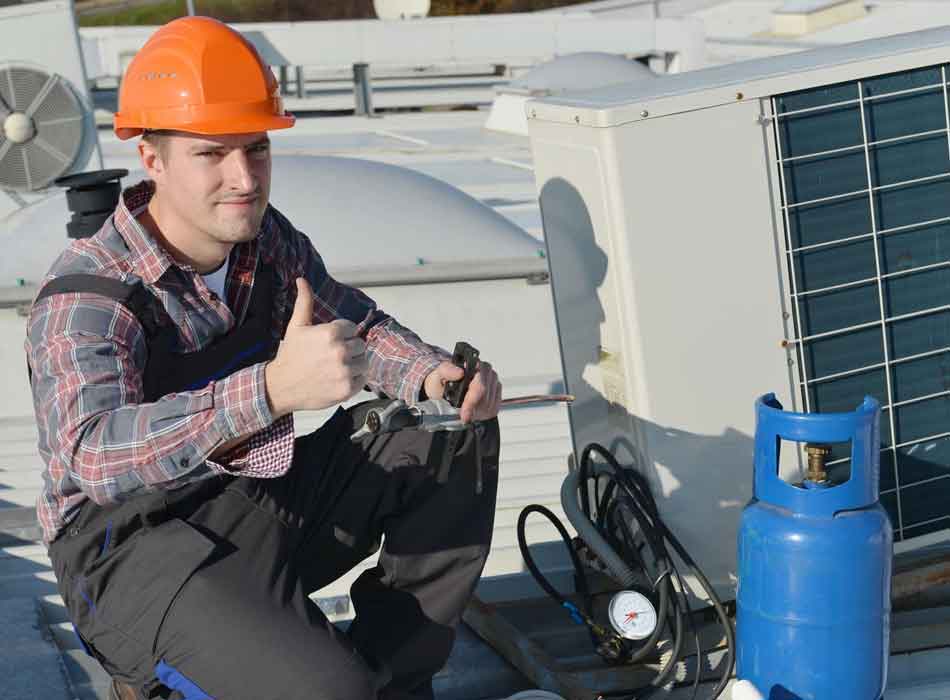
What Thermostat Repair Includes
Thermostat Repair Process
System Diagnosis and Testing
HVAC technicians test thermostat functionality using digital multimeters and temperature probes to identify faulty components, wiring issues, or calibration problems. This diagnostic phase determines whether the thermostat requires repair or component replacement to restore proper operation.
Component Repair Execution
Technicians repair or replace malfunctioning thermostat components including sensors, circuit boards, displays, or control switches. Each repair follows manufacturer specifications and uses compatible replacement parts to ensure reliable long-term performance and warranty compliance.
Wiring Connection Repair
All thermostat wiring connections are inspected and repaired as needed, ensuring proper voltage delivery and signal transmission between the thermostat and HVAC equipment. Damaged wires are replaced and connections are secured according to electrical code standards.
Calibration and System Testingn
The repaired thermostat undergoes calibration testing to verify accurate temperature readings and proper HVAC system cycling. Technicians test heating and cooling functions, program settings, and response times to confirm the thermostat repair restored full functionality.
Understanding Thermostat Repair
Thermostat repair addresses the mechanical, electrical, and calibration issues that prevent accurate climate control in residential and commercial buildings. When thermostats malfunction, property owners experience uncomfortable indoor temperatures, increased energy costs, and HVAC system strain. Professional thermostat repair involves systematic diagnosis, component replacement, and calibration to restore proper temperature regulation and system efficiency.
How Professional Thermostat Repair Works
Professional thermostat repair begins with comprehensive system analysis using specialized diagnostic equipment to identify the root cause of malfunction. HVAC technicians test voltage levels, temperature sensor accuracy, and control circuit functionality to determine whether issues stem from faulty components, wiring problems, or calibration errors. The repair process involves isolating the malfunctioning system, replacing defective parts with manufacturer-approved components, and restoring proper electrical connections. Thermostat repair requires understanding of HVAC system integration, as thermostats control heating, cooling, and ventilation equipment through complex wiring configurations. Technicians verify that repaired thermostats communicate correctly with furnaces, air conditioners, and heat pumps, ensuring seamless operation across all climate control systems. Quality thermostat repair includes testing all operating modes, programming functions, and safety features to guarantee reliable performance. The repair work must comply with local electrical codes and manufacturer warranty requirements, protecting property owners from liability and ensuring long-term reliability. Professional thermostat repair typically takes one to three hours, depending on the complexity of the malfunction and accessibility of components.
Common Thermostat Repair Requirements
Thermostat repair addresses several recurring issues that affect temperature control accuracy and HVAC system performance. Digital display failures require screen replacement or circuit board repair to restore visibility of temperature readings and system settings. Temperature sensor malfunctions cause inaccurate readings and improper HVAC cycling, requiring sensor calibration or replacement during thermostat repair. Wiring connection problems create intermittent operation, blank displays, or complete system failure, necessitating wire replacement and connection repair. Control button and switch failures prevent programming changes and manual temperature adjustments, requiring mechanical component replacement. Battery-powered thermostats may need power supply repair when backup batteries fail or charging circuits malfunction. Programming corruption causes thermostats to lose schedules and custom settings, requiring software restoration and memory repair. Mounting problems occur when wall anchors loosen or thermostat housings crack, requiring reinstallation and bracket repair. Thermostat repair also addresses compatibility issues when HVAC equipment changes require control system modifications. Advanced programmable and smart thermostats may need firmware updates or network connectivity repair to restore full functionality. Each thermostat repair situation requires specific diagnostic approaches and repair techniques based on the unit's age, complexity, and integration with building systems.
Thermostat Repair Quality Standards
Quality thermostat repair adheres to manufacturer specifications, electrical code requirements, and HVAC industry best practices to ensure safe, reliable operation. Professional HVAC technicians use calibrated testing equipment to verify temperature accuracy within plus or minus two degrees Fahrenheit after completing thermostat repair. All electrical connections must meet National Electrical Code standards, with proper wire gauge, secure terminations, and appropriate overcurrent protection. Thermostat repair includes comprehensive testing of heating and cooling modes, fan operation, and emergency heat functions where applicable. Replacement components used in thermostat repair must be manufacturer-approved or compatible aftermarket parts that meet original equipment specifications. Quality repair work includes proper mounting to ensure level installation and secure wall attachment that prevents future loosening. Programming restoration verifies that all user settings, schedules, and custom configurations function correctly after thermostat repair. System integration testing confirms that the repaired thermostat communicates properly with all connected HVAC equipment, preventing short cycling, inefficient operation, or equipment damage. Professional thermostat repair includes documentation of work performed, parts replaced, and warranty information for future reference. The completed repair should provide years of reliable service with accurate temperature control and energy-efficient operation. Quality standards require that thermostat repair restores full manufacturer functionality while maintaining compatibility with existing HVAC systems and building automation networks.
Technical Variables in Thermostat Repair
Thermostat repair complexity varies significantly based on unit type, age, integration complexity, and failure modes affecting repair time and component requirements. Mechanical thermostats require different repair approaches than digital programmable units, with mechanical repairs focusing on bi-metal strip calibration and contact cleaning rather than electronic component replacement. Older thermostat models may need obsolete parts sourcing or compatible substitutions when original components are no longer manufactured. Multi-zone systems require thermostat repair coordination across multiple units to maintain balanced operation and prevent system conflicts. Smart thermostat repair involves network connectivity troubleshooting, software debugging, and wireless communication repair beyond traditional electrical work. Commercial thermostats often integrate with building automation systems, requiring specialized knowledge of communication protocols and system integration during thermostat repair. Heat pump systems need thermostats with specific staging capabilities and auxiliary heat controls, complicating repair procedures compared to standard heating and cooling applications. Variable-speed HVAC equipment requires compatible thermostat controls that communicate equipment capacity demands, affecting repair part selection and programming requirements. Zoned HVAC systems need thermostat repair coordination with damper controls and zone panels to maintain proper airflow and temperature control. High-voltage applications in commercial settings require additional safety procedures and specialized repair techniques compared to residential low-voltage thermostat repair. Environmental factors like humidity, dust, and temperature extremes affect thermostat longevity and may require protective measures during repair work.
Thermostat Repair FAQs
What Does Thermostat Repair Include?
Thermostat repair includes diagnostic testing, component replacement, wiring repair, sensor calibration, and system verification. HVAC technicians test all thermostat functions, replace faulty parts like displays or sensors, repair damaged wiring connections, and calibrate temperature accuracy to restore proper climate control.
How Long Does Thermostat Repair Take?
Most thermostat repair takes one to three hours depending on the complexity of the malfunction and accessibility of components. Simple repairs like battery replacement or calibration may take one hour, while complex circuit board replacement or extensive wiring repair may require three hours.
When Should I Choose Thermostat Repair Over Replacement?
Thermostat repair is cost-effective when the unit is less than ten years old, uses current technology, and has isolated component failures. Repair makes sense for quality thermostats with minor issues like sensor problems, display failures, or wiring damage rather than complete system obsolescence.
What Causes Thermostat Repair Needs?
Common causes requiring thermostat repair include power surges damaging electronic components, dust accumulation affecting sensors, loose wiring connections from building settling, battery failures in wireless units, and normal wear on mechanical switches and displays over time.