
Heat Pump Installation
Comfort Conditioning LLC provides heat pump installation for residential and commercial properties.
Contact Us
Our HVAC technicians perform heat pump installation by evaluating existing ductwork, electrical connections, and space requirements before installing the indoor and outdoor units with proper refrigerant lines and electrical connections. Each heat pump installation follows manufacturer specifications and local building codes to ensure optimal performance and energy efficiency. Heat pump installation typically involves removing old equipment, installing new indoor and outdoor units, connecting refrigerant lines, and testing system operation. Proper heat pump installation prevents future breakdowns, reduces energy costs, and ensures reliable heating and cooling throughout the year. Our licensed HVAC technicians complete heat pump installation projects with attention to electrical safety, refrigerant handling protocols, and system commissioning procedures.
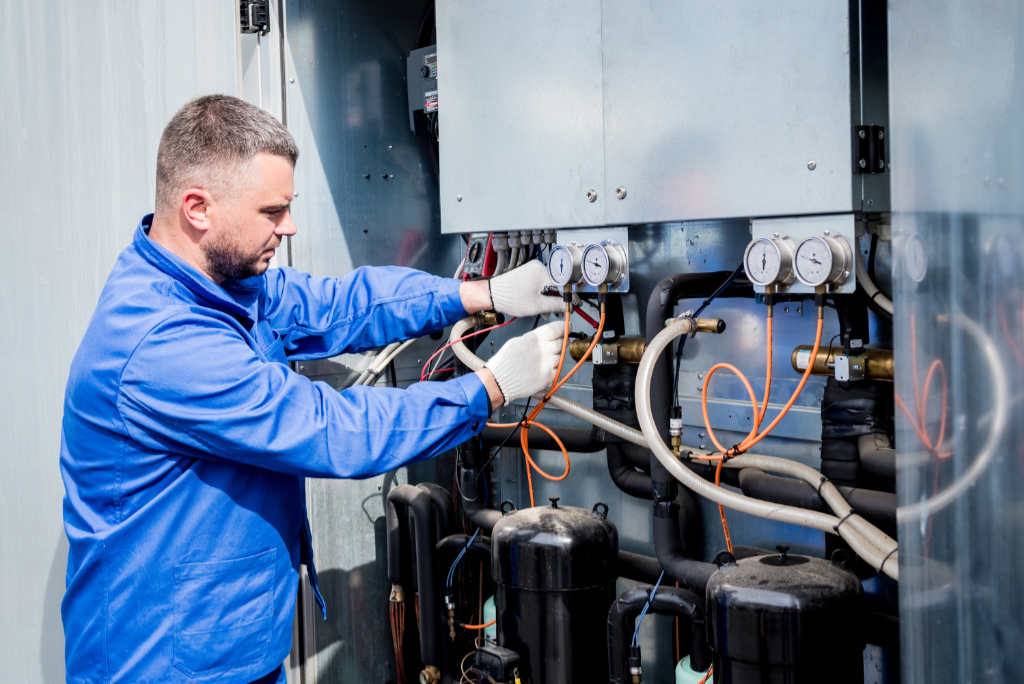
What Heat Pump Installation Includes
Heat Pump Installation Process
Site Assessment and Preparation
HVAC technicians evaluate the installation location, measure spaces for indoor and outdoor units, check electrical capacity, and assess existing ductwork compatibility. This assessment determines proper unit sizing, placement requirements, and identifies any necessary modifications before beginning heat pump installation work.
Unit Positioning and Mounting
Technicians install mounting brackets for the indoor unit, position the outdoor unit on a level pad or platform, and ensure proper clearances for airflow and service access. Precise positioning prevents vibration issues and ensures efficient operation throughout the heat pump installation process.
Refrigerant Line Connection
HVAC technicians run copper refrigerant lines between indoor and outdoor units, apply proper insulation, and create leak-proof connections using specialized tools and techniques. This critical step requires precise measurements and proper brazing to maintain system integrity during heat pump installation.
Electrical Connection and Testing
Technicians wire the electrical connections, install disconnect switches, connect thermostat controls, and verify proper voltage and amperage. Comprehensive electrical testing ensures safe operation and prevents equipment damage after completing the heat pump installation work.
System Commissioning and Verification
HVAC technicians charge the system with refrigerant, test heating and cooling modes, verify temperature differentials, and program thermostat settings. Final commissioning confirms that the heat pump installation meets manufacturer specifications and provides reliable performance for years of operation.
Understanding Heat Pump Installation
Heat pump installation involves multiple technical considerations that affect system performance, energy efficiency, and long-term reliability. Professional HVAC technicians must evaluate electrical requirements, ductwork compatibility, refrigerant line routing, and drainage needs before beginning installation work. Proper heat pump installation requires specialized tools, refrigerant handling certification, and knowledge of local building codes to ensure safe and compliant system operation.
How Heat Pump Installation Sizing Works
Accurate sizing calculations form the foundation of successful heat pump installation projects. HVAC technicians perform load calculations using Manual J methodology, considering square footage, insulation levels, window efficiency, climate zone, and occupancy patterns. Oversized units cycle frequently, reducing efficiency and comfort, while undersized systems struggle to maintain desired temperatures. Heat pump installation requires matching equipment capacity to actual heating and cooling loads, not just square footage rules of thumb. Technicians also consider the balance point temperature where auxiliary heat engages, ensuring adequate heating capacity during extreme weather. Variable-speed heat pump installation offers better load matching compared to single-stage units, providing more precise temperature control and improved energy efficiency. Proper refrigerant line sizing also affects performance, with longer line sets requiring larger diameter tubing to maintain proper oil return and system efficiency. Professional heat pump installation includes verifying that electrical service capacity meets equipment requirements, typically 240-volt service for residential units and higher voltage for commercial applications.
Heat Pump Installation Electrical Requirements
Electrical considerations significantly impact heat pump installation complexity and safety. Most residential heat pump installation requires dedicated 240-volt circuits with appropriate amperage capacity based on unit specifications. HVAC technicians verify existing electrical panels can handle additional load, installing new breakers and running properly sized wire to outdoor and indoor units. Emergency heat strips often require separate electrical circuits, increasing overall electrical demand during heat pump installation. Ground fault protection may be required for outdoor units depending on local electrical codes and installation location. Proper electrical heat pump installation includes installing disconnect switches within sight of equipment for safety during maintenance. Control wiring between indoor and outdoor units carries low voltage signals for communication, requiring careful routing to prevent interference from high voltage lines. Smart thermostat compatibility affects control wiring requirements, with some units requiring additional conductors for advanced features. Commercial heat pump installation often involves three-phase power requirements and more complex control systems. Professional heat pump installation ensures all electrical connections meet National Electrical Code standards and local amendments, preventing safety hazards and equipment damage from improper wiring practices.
Heat Pump Installation Refrigerant Line Considerations
Refrigerant line installation represents one of the most critical aspects of heat pump installation work. HVAC technicians must route copper lines between indoor and outdoor units while maintaining proper pitch for oil return and preventing refrigerant traps. Line set length affects system performance, with longer runs requiring larger diameter tubing and additional refrigerant charge. Proper insulation prevents condensation on suction lines and maintains system efficiency during heat pump installation. Brazing techniques must create leak-proof joints that withstand system pressures and temperature cycling without developing leaks over time. Pre-charged line sets simplify some heat pump installation projects, but custom line routing often requires field brazing and nitrogen purging to prevent oxidation. Vacuum evacuation removes moisture and non-condensable gases that could damage compressor components and reduce system efficiency. Refrigerant charging follows manufacturer specifications, with technicians measuring subcooling and superheat to verify proper charge levels. Heat pump installation in cold climates may require accumulator installation to prevent liquid refrigerant from reaching the compressor during heating mode. Professional heat pump installation includes pressure testing refrigerant lines before final charging, ensuring system integrity and preventing costly refrigerant leaks that could damage environmental systems and require expensive repairs.
Heat Pump Installation Ductwork Integration
Existing ductwork compatibility significantly affects heat pump installation complexity and system performance. HVAC technicians evaluate duct sizing, insulation levels, and air leakage before connecting new equipment to existing distribution systems. Undersized ducts create high static pressure that reduces airflow and strains equipment, while oversized ducts may cause comfort issues and reduced efficiency. Heat pump installation often requires ductwork modifications to accommodate different airflow patterns compared to furnace-only systems. Proper return air sizing becomes critical, as restricted return airflow causes frozen evaporator coils and reduced heating capacity. Duct sealing improves overall system efficiency, with professional heat pump installation including evaluation of existing duct leakage and recommended improvements. Zoning systems require special considerations during heat pump installation, ensuring proper bypass dampers and pressure relief to prevent equipment damage. Flexible duct connections at indoor units reduce vibration transmission while maintaining proper airflow during heat pump installation. Filter access and sizing affects system performance, with some heat pump installation projects requiring filter grille modifications or additional filter locations. Commercial heat pump installation may involve variable air volume systems with complex control sequences and damper operation. Professional heat pump installation ensures ductwork modifications meet efficiency standards and provide adequate airflow for reliable heating and cooling operation throughout the conditioned space.
Heat Pump Installation FAQs
What Does Heat Pump Installation Include?
Heat pump installation includes mounting indoor and outdoor units, connecting refrigerant lines, installing electrical connections, programming thermostat controls, and testing system operation. HVAC technicians also handle ductwork connections, condensate drainage, and system commissioning to ensure proper heat pump installation performance.
How Long Does Heat Pump Installation Take?
Most residential heat pump installation projects require one to two days depending on complexity, electrical modifications needed, and ductwork changes required. Commercial heat pump installation typically takes longer due to larger equipment, complex controls, and coordination with building systems during the heat pump installation process.
What Permits Are Required for Heat Pump Installation?
Heat pump installation typically requires HVAC permits and electrical permits depending on local jurisdiction requirements and scope of work involved. HVAC technicians coordinate with local building departments to ensure proper permitting, inspections, and code compliance throughout the heat pump installation project.
Can Heat Pump Installation Work with Existing Ductwork?
Existing ductwork can often accommodate heat pump installation with proper evaluation and potential modifications to ensure adequate airflow and performance. HVAC technicians assess duct sizing, insulation, and air leakage before proceeding with heat pump installation to determine necessary improvements for optimal system operation.