
AC Installation
Comfort Conditioning LLC provides ac installation for residential and commercial properties throughout the region.
Contact Us
Our HVAC technicians perform ac installation by conducting load calculations, sizing equipment properly, installing outdoor condensing units, connecting refrigerant lines, and establishing electrical connections to ensure optimal system performance. Each ac installation follows industry standards and local building codes to guarantee safe operation and energy efficiency. Property owners typically need ac installation when replacing failed systems, upgrading to more efficient equipment, or installing cooling systems in new construction projects. During the ac installation process, customers can expect thorough preparation, professional equipment handling, and comprehensive system testing before project completion. Proper ac installation prevents premature equipment failure, reduces energy costs, and ensures consistent indoor comfort for years of reliable operation.
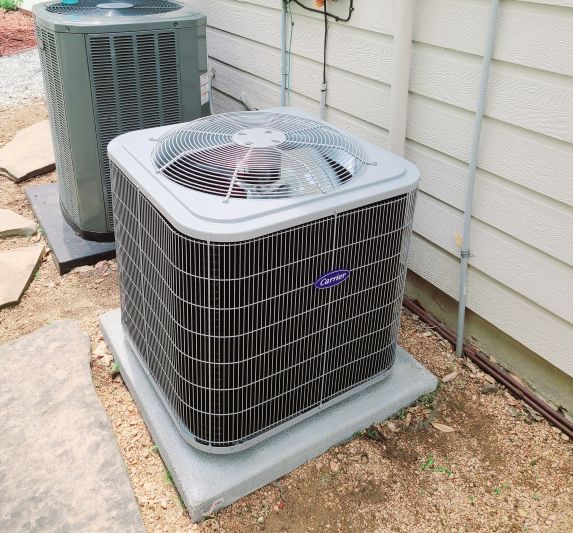
What AC Installation Includes
AC Installation Process
Load Calculation and Equipment Selection
HVAC technicians calculate cooling loads using Manual J methodology, measuring square footage, insulation values, window orientation, and occupancy patterns. This calculation determines proper equipment sizing to prevent short cycling, humidity problems, and energy waste while ensuring adequate cooling capacity for the space.
Equipment Positioning and Mounting
Technicians position the outdoor condensing unit on a level concrete pad or mounting brackets, ensuring adequate clearance for airflow and service access. The indoor evaporator coil is mounted in the furnace cabinet or air handler, with proper drain pan installation and condensate drainage connections.
Refrigerant Line Installation
HVAC technicians install copper refrigerant lines between indoor and outdoor units, using proper sizing and insulation to prevent energy loss. Lines are pressure tested for leaks, evacuated to remove moisture and air, then charged with the correct type and amount of refrigerant according to manufacturer specifications.
Electrical Connections and Controls
Technicians install dedicated electrical circuits, disconnect switches, and control wiring according to electrical codes and equipment requirements. Thermostat wiring is connected and programmed for proper system operation, with safety controls tested to ensure reliable shutdown in emergency conditions.
System Testing and Commissioning
HVAC technicians perform comprehensive system testing, measuring refrigerant pressures, temperatures, airflow rates, and electrical consumption. System performance is verified against manufacturer specifications, with adjustments made to optimize efficiency and ensure proper operation before customer handoff and warranty activation.
Understanding AC Installation
Professional ac installation requires technical expertise, proper equipment selection, and adherence to industry standards to achieve optimal performance and longevity. The installation process involves multiple interconnected systems including refrigeration components, electrical circuits, and airflow distribution networks that must work together seamlessly. Modern ac installation practices emphasize energy efficiency, indoor air quality, and system reliability through careful planning and precision execution by experienced HVAC technicians.
AC Installation FAQs
What Does AC Installation Include Beyond Equipment Placement?
AC installation includes load calculations for proper sizing, electrical circuit installation, refrigerant line connections, ductwork modifications, thermostat wiring, system testing, and warranty registration. Professional installation ensures all components work together efficiently and meet local building codes for safe operation.
How Long Does AC Installation Take to Complete?
Most residential ac installation projects require one to two full days depending on system complexity and any necessary electrical or ductwork modifications. Commercial installations may take several days due to larger equipment and more complex requirements.
What Preparation is Required Before AC Installation Begins?
Property owners should ensure clear access to installation areas, remove personal items from work zones, and arrange for electrical service if panel upgrades are needed. HVAC technicians handle equipment delivery, permits, and utility coordination as part of professional ac installation service.
What Testing Occurs During AC Installation Projects?
AC installation testing includes refrigerant pressure verification, electrical connection inspection, airflow measurement, thermostat calibration, and safety control operation checks. Systems are run through complete cooling cycles to verify proper operation before project completion and warranty activation.